FIFA World Cup 2026 — Ashley Westwood on data, tactical discipline, and breakout stars of the tournament
Ashley Westwood’s most revealing point about this World Cup did not concern a single wonder goal or a rising name, but the quieter mechanics beneath the spectacle: teams are no longer surviving on identity alone.
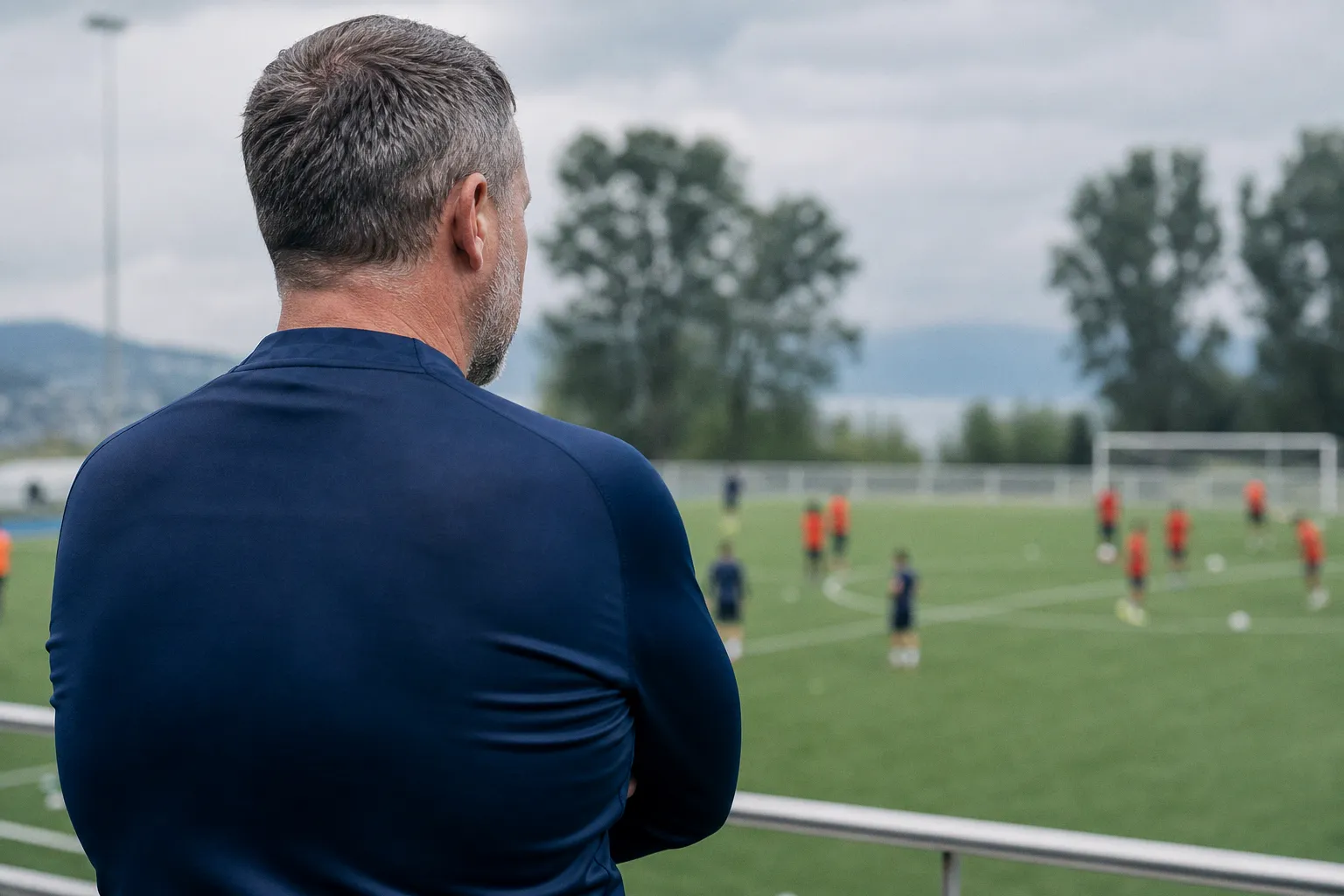
The old national styles are still there — but they are being re-engineered
Westwood’s view is not that football culture has disappeared. He makes the more precise point: culture remains “ingrained” in players, but managers now have to bend that inheritance around the demands of the modern game.
That distinction matters. Brazil may still carry the memory of flair, 1v1 artistry, and football that looks effortless to the eye, but Westwood observed that the current version has leaned into a more counter-attacking shape: a good mid-block, a compact central structure, and fast breaks designed to release Vinicius Junior into space. In biomechanical terms, it is less about decorative movement and more about stored energy — a team compressing, waiting, then uncoiling through the right channel.
For young players watching, the lesson is almost uncomfortable: talent still needs a structure to breathe inside. The modern winger cannot only be expressive; he must understand when the team is resting in a block, when the pressing angle is wrong, and when the first acceleration after regain becomes the decisive action. Flair has not died, but it is now housed inside a system that measures workload, energy, and physical output.
Upsets are being built through restraint, not romance
Westwood’s boxing comparison is the clearest practical takeaway. An underdog cannot simply trade punches with a better opponent and expect the emotional script to protect them. In football language, that means tactical discipline is not a conservative accessory; it is the mechanism that keeps the match alive long enough for the weaker side to find its moment.
He described the need for both a defensive and attacking element: absorb intelligently, study the opponent, identify weaknesses, and choose the right moments to land a punch. That is a mature reading of tournament football, where mental fortitude often looks less like bravery in possession and more like the patience to repeat unglamorous actions under pressure.
For coaches at academy or semi-pro level, the application is direct. Training an upset is not just about “belief.” It is about rehearsing distances between lines, transition triggers, recovery runs, and the emotional discipline not to break shape after ten minutes without the ball. The kinetic chain of a team — back line, midfield screen, outlets, runners — has to stay connected. Once one link overreaches, the whole structure loses its timing.
Home advantage, data, and what to watch next
Westwood also pointed to home advantage after all three host countries progressed from the group stage. His broader reference was simple but useful: across football, he said, home teams win about half of matches, with draws and away wins splitting much of the rest. The crowd, the familiarity, the rhythm of place — these are not soft factors when they influence confidence, decision speed, and how long a team can sustain intensity.
The emerging theme of this World Cup, then, is not just “data science” as a fashionable phrase. It is data translated into choices: how high to press, how much running a midfield can sustain, whether a historic football identity still matches the current player profile, and when a side should protect space instead of chasing the ball.
Westwood’s observations land because they resist nostalgia without dismissing beauty. The players making their mark now are doing so inside a harder, more measured tournament environment, where technical quality must survive tactical instruction and physical demand. The best teams from here will not simply be the most gifted; they will be the ones whose identity, discipline, and output move in the same direction.
More from the feed
 Yan Diomande’s rise from Ivory Coast to World Cup stardom, explained
 Growth Trends, Segment Breakdown, And Competitor Strategies Shaping The Basketball Market
 Kylian Mbappe is lighting up the World Cup with France. At Real Madrid, a shadow hung over him - The Athletic
 The richest sports stars under 30, ranked | lovemoney.com