Pink Football: Fashion-Led Self-Expression Is Transforming Global Sports
The Color of Confidence: When the Pitch Became a Canvas…
The Color of Confidence: When the Pitch Became a Canvas
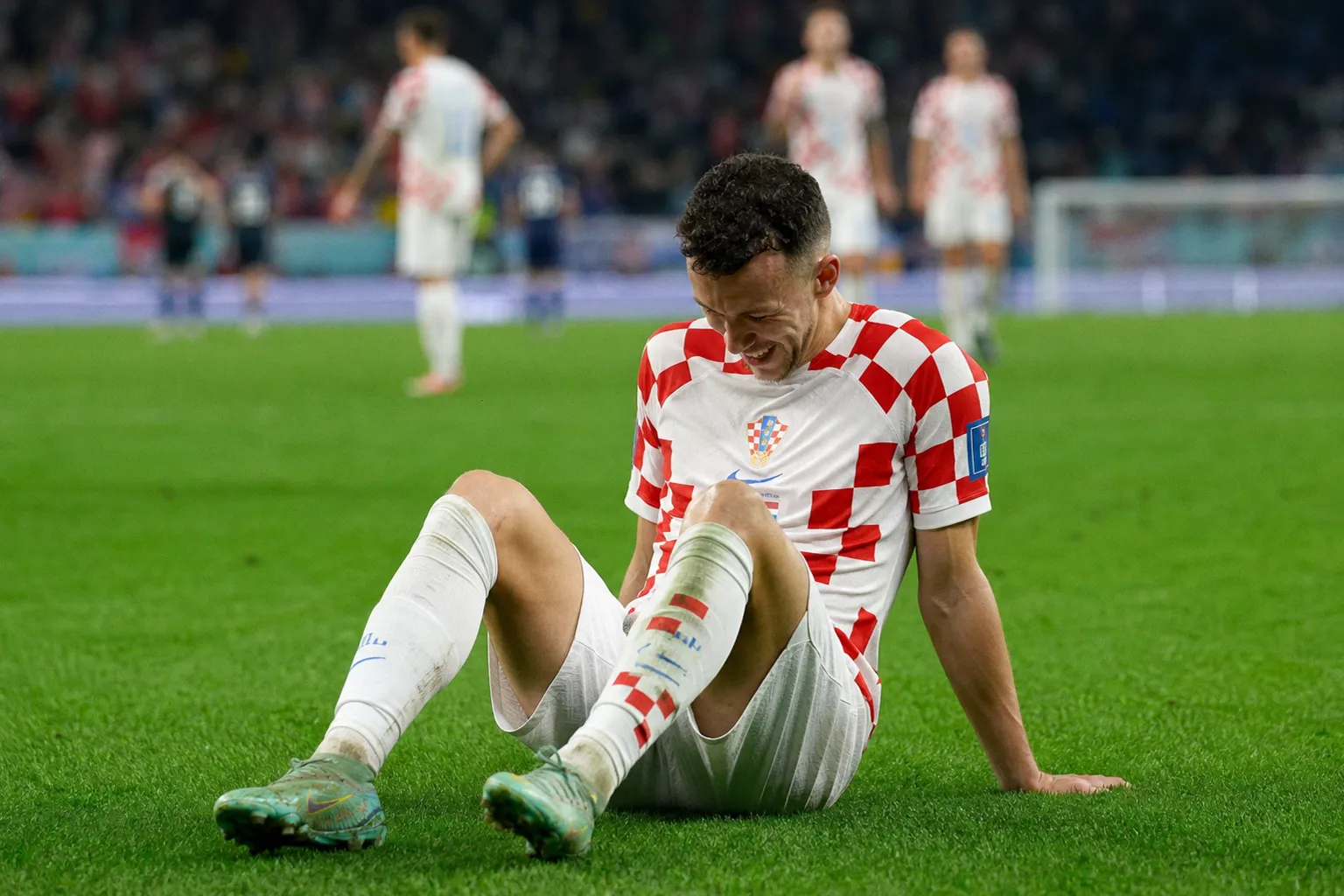
There was a moment during the opening fixtures of the 2026 FIFA World Cup when the camera pulled wide and the visual story wrote itself: row after row of vivid pink boots, 365 of the 528 players who started the tournament's matches lacing up in a color once dismissed as ornamental. It was not an accident. It was a statement about what the modern athlete has decided visibility is worth.
A Runway on the Pitch
Major manufacturers released electric pink boots ahead of the tournament, and resale data quickly confirmed what the eye already suspected — pink had become the best-selling colorway among leading models. The convergence with WGSN and Coloro's designation of Electric Fuchsia as their Color of the Year suggests that football's visual culture has begun tracking fashion's forecast cycle with the same attentiveness it once reserved for tactical evolution. What unfolded was less a uniform change than a runway moment, played out across grass rather than catwalk, with each athlete authoring their own headline.
The Psychology of Being Seen
This is where the story deepens beyond aesthetics. In an era of broadcast saturation, viral highlights, and the athlete's perpetual negotiation with their own image, color has become a psychological instrument. Pink on the foot — or the wristband, the headband, the boot's accent stripe — signals an intention to register on screen, to project confidence before the first touch, to build a personal brand that survives the final whistle. The hue is no longer decoration; it is communication, chosen with the same intentionality a player might bring to their serve motion or their return stance.
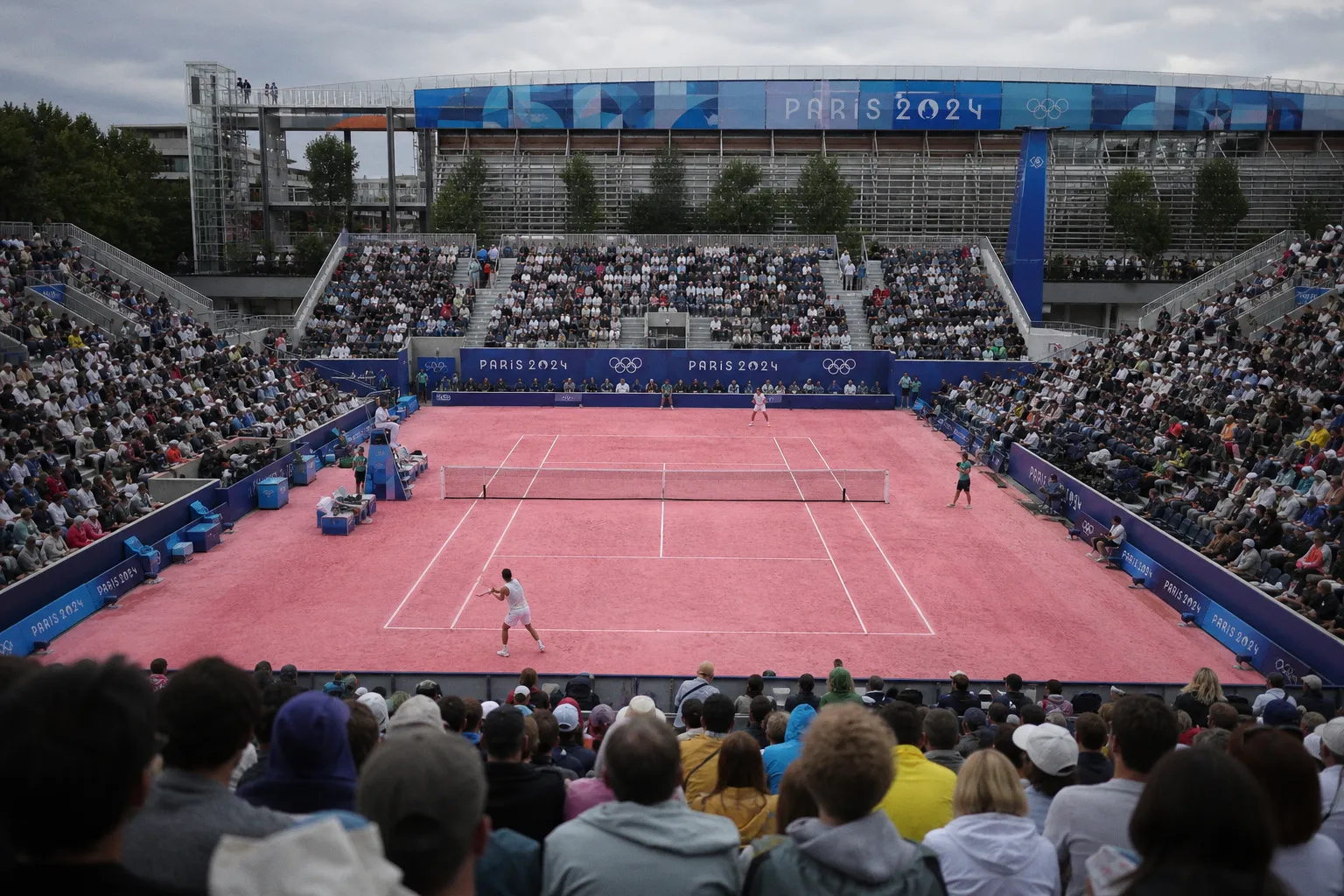
The instinct is not unique to football. In tennis, where individual athletes carry the visual narrative alone across long, televised rallies, kit color and accessory choice have long served as a quiet form of authorship. The current football moment merely makes explicit what other sports have practiced for years: that visibility is now part of the performance itself, and that the body's presentation deserves the same deliberation as its technique.
Identity as Equipment
Perhaps the most telling evolution is the quiet dissolution of the gender codes once attached to pink. What was once narrowly coded has been reclaimed as universal — a shorthand for confidence, individuality, and a willingness to be noticed on one's own terms. Brands have taken note, investing in color psychology research to understand how specific wavelengths influence perception, mood, and athletic output. The result is a subtle but meaningful reordering of priorities: equipment is no longer purely functional, and the boot on an athlete's foot has become as much a sentence in their personal narrative as any post-match interview.
For those who follow the careers of the world's most influential sports figures, the World Cup's pink wave offers a reminder worth sitting with. The craft of the modern athlete no longer ends at the boundary of the physical contest. Self-expression has become part of the work, and the colors they reach for may reveal as much about their internal architecture as any adjustment to their game.