Cape Verde Stuns World Cup Giants With Tactical Discipline Matchday Five Upsets
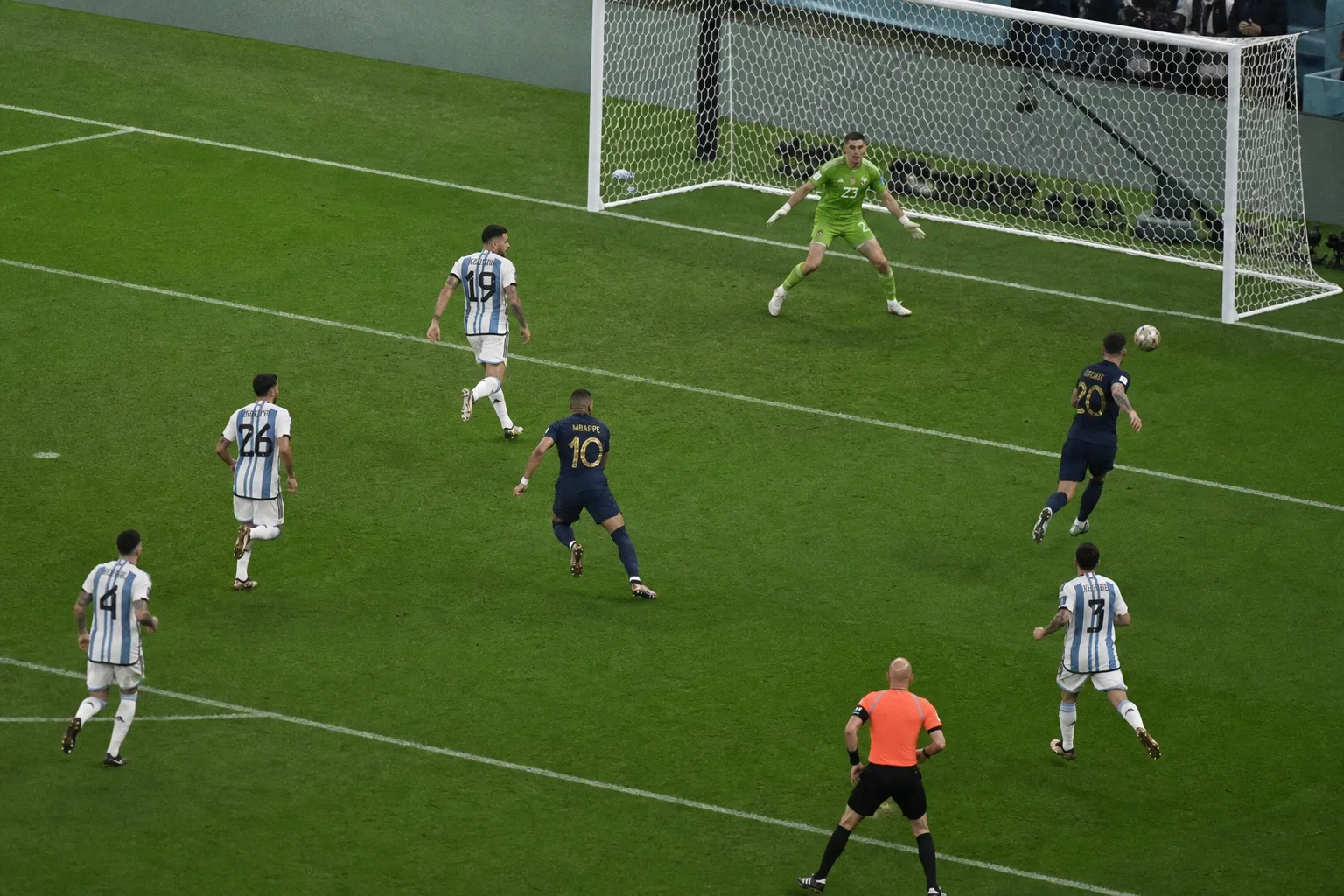
A 0-0 block against Spain is not noise if the structure survives the full possession cycle. According to iNews Zoombangla, Cape Verde held Spain at the 2026 FIFA World Cup with a compact 4-5-1, then followed it with a 2-2 draw against Uruguay.
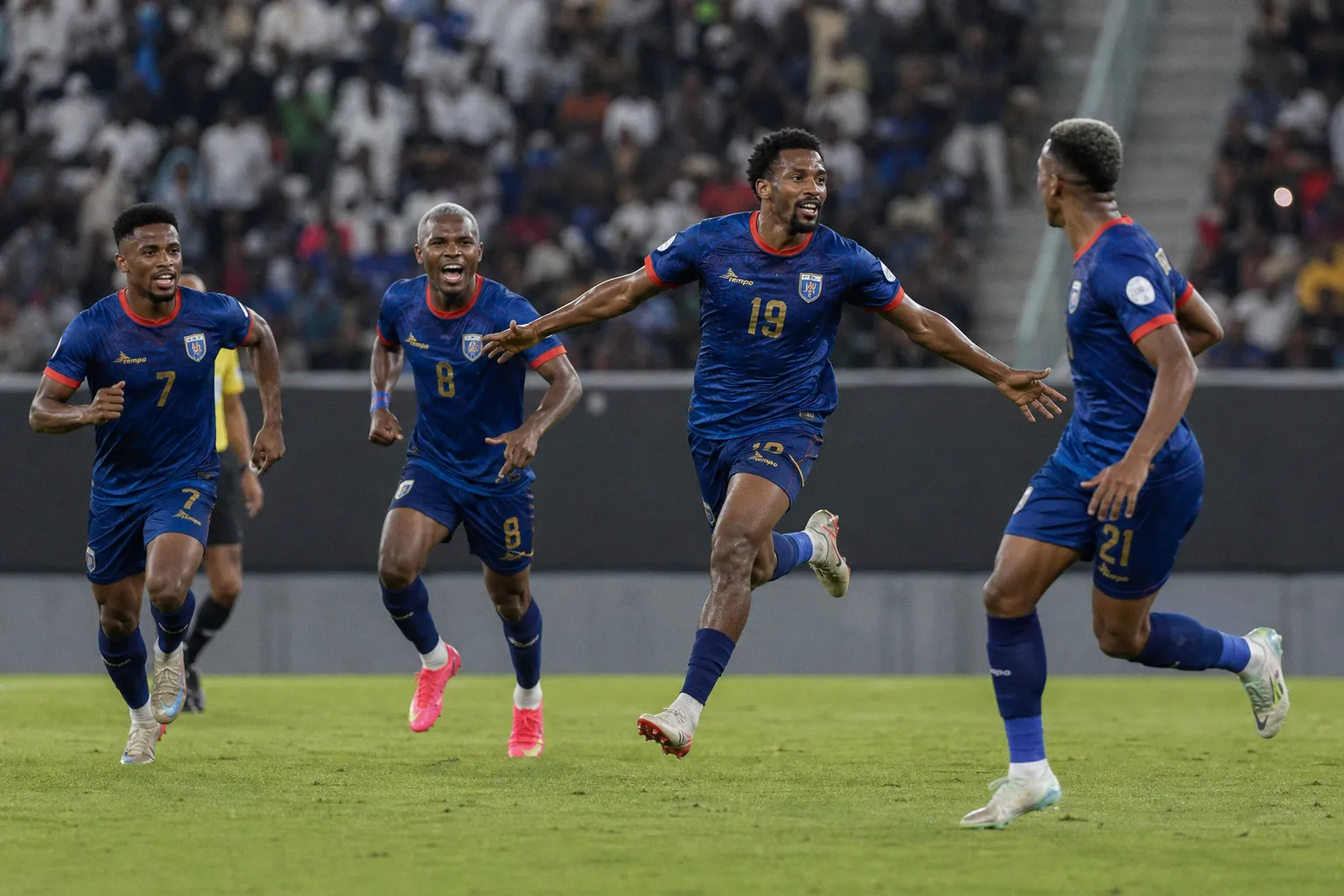
Cape Verde’s 4-5-1 reduced Spain’s usable space
The reported shape was simple on paper: one forward, five across midfield, four behind. The value was in the distances. Cape Verde’s block, per the report, kept minimal gaps between the defensive and midfield lines, which limited Spain’s ability to receive between the lines and turn into the central channel.
That matters because possession-heavy teams often use backward circulation as bait. The ball goes back, the opponent’s midfield jumps, and the back line either holds or drops. That creates the separation where elite sides find their next advantage: the half-space receive, the third-man run, or the quick switch into an isolated fullback.
Cape Verde reportedly refused that trigger. Instead of chasing the backward pass, they preserved the block. In coaching terms, this is high-value discipline: the team declined a low-probability press in order to protect the most dangerous zone. The forward may screen, the midfield may slide, but the unit does not fracture.
For players and coaches outside the elite tier, this is the transferable part. Defensive success here was not described as a product of superior individual duels. It was a collective spacing plan. If the midfield line and back line stay connected, the opponent’s possession rate can become sterile rather than decisive.
The Uruguay draw made it a pattern, not a single-game outlier
The same iNews report says Cape Verde then drew 2-2 with Uruguay. That second result changes the reading. One low-event draw can be explained by variance, poor finishing, or a favorite failing to solve a compact opponent. A second result against another established World Cup nation suggests the setup had broader competitive value.
There is no need to inflate the claim beyond the available facts. We do not have the full shot map, xG profile, possession split, or passing network from these matches in the supplied material. So the clean conclusion is narrower: Cape Verde were reported to have used disciplined defensive spacing to take points from Spain, then sustained their tournament credibility with a draw against Uruguay.
That distinction is important. A proper tactical verdict should separate result from process. The Spain match is useful because the process is described: compact 4-5-1, line integrity, refusal to be pulled out by backward circulation. The Uruguay result is useful because it supports the idea that Cape Verde were not merely surviving one specific matchup.
For training environments, the application is clear. Build the block before chasing the press. Rehearse when not to jump. Measure the gap between lines as aggressively as you measure sprint output. Smaller sides rarely win by turning every defensive sequence into a duel; they win by making the favorite play through the smallest possible windows.
Matchday Five points to a wider underdog mechanism
The report also frames Cape Verde as part of a broader Matchday Five pattern: Egypt earned a point against Belgium, Saudi Arabia drew with Uruguay, and New Zealand matched Iran in what was described as an entertaining encounter. Football Counter’s headline similarly points to a tactical story behind underdog wins, though no additional detail is available from the supplied snippet.
The common thread, as reported by iNews, is that expanded tournament conditions, modern defensive tactics, video analysis, and improved physical preparation may be narrowing traditional gaps. That is a plausible tactical lens, but it should be handled carefully: without the underlying data, it remains an attributed explanation rather than a verified tournament-wide model.
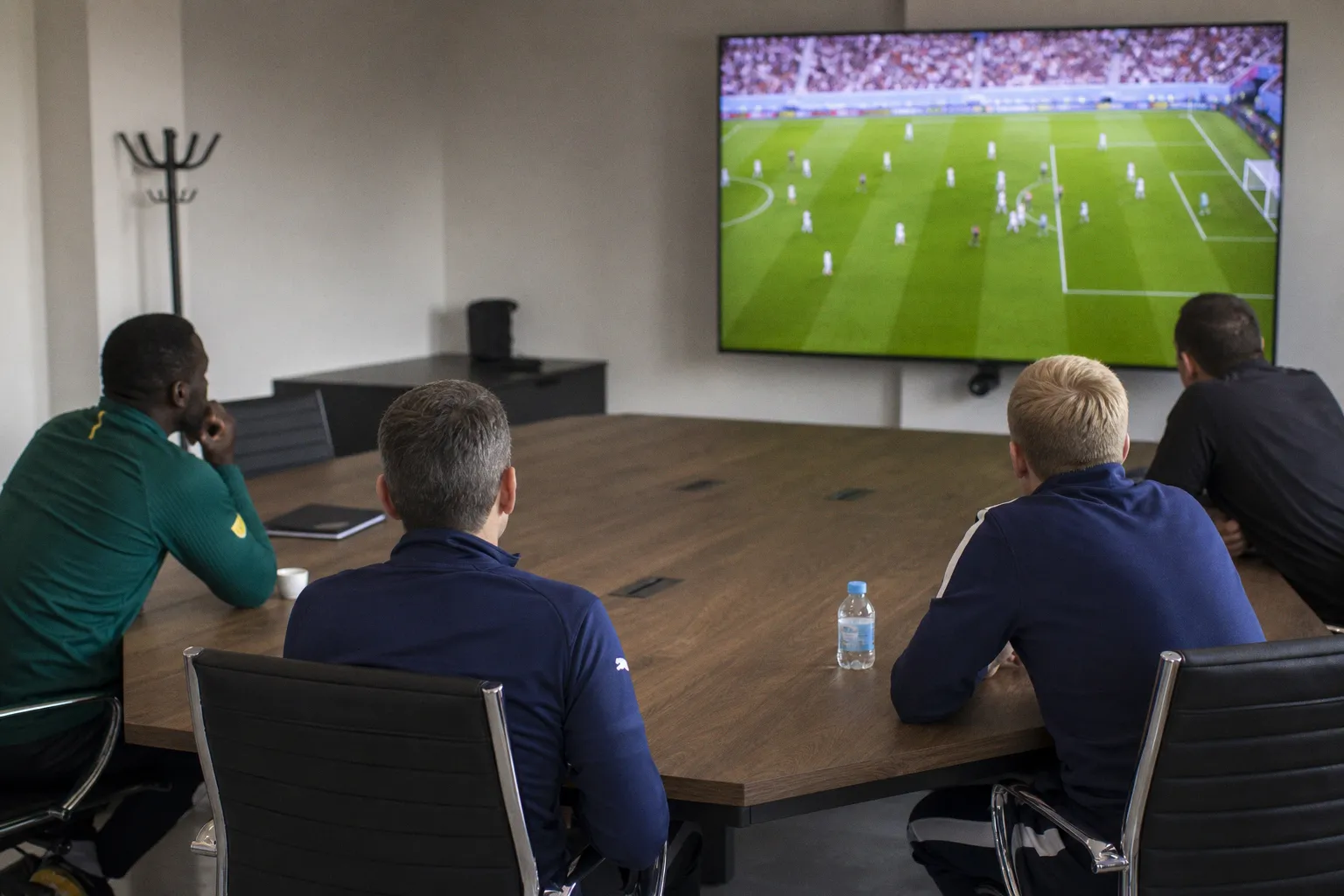
Still, the Cape Verde case gives the best working template. Compactness first. Trigger discipline second. Conditioning sufficient to repeat lateral shifts without opening the central lane. Video work aimed not at admiring the opponent’s possession, but at identifying which passes can be allowed and which zones must be denied.
The ceiling for this type of underdog is not built on chaos. It is built on lowering the favorite’s shot quality, extending possessions into harmless areas, and keeping enough attacking structure to punish the moments that do arrive. Cape Verde’s reported results against Spain and Uruguay fit that profile: not a miracle script, but a disciplined game model executing above its market expectation.