The Anatomy of the World Cup Round of 32 Tournament Logistics Tactics and High-Stakes Knockout Dynamics
The expansion of the 2026 World Cup to include a grueling Round of 32 completely redefines the physical and psychological calculus of international football, stripping away the historic safety net of…
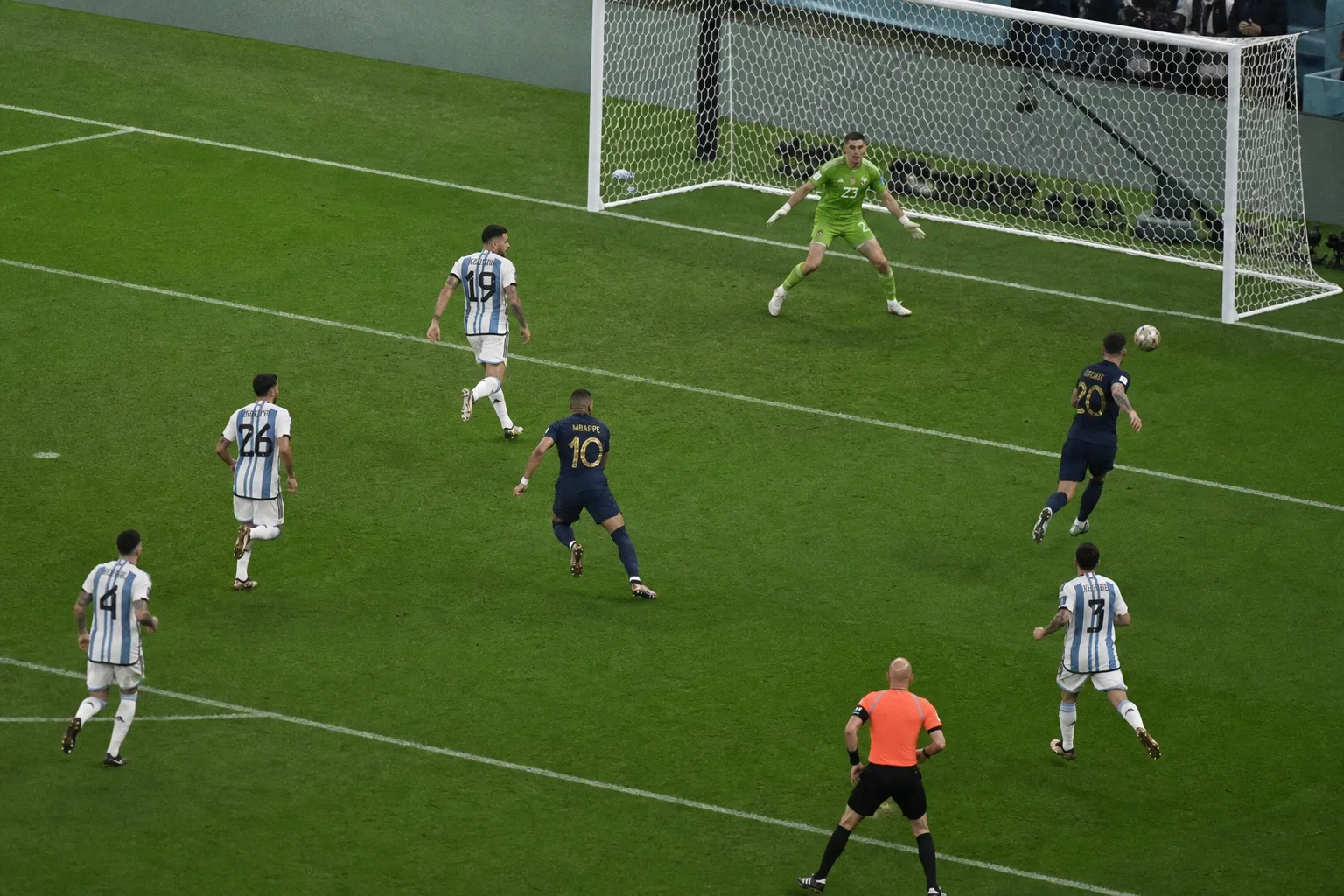
The expansion of the 2026 World Cup to include a grueling Round of 32 completely redefines the physical and psychological calculus of international football, stripping away the historic safety net of third-place group progressions and forcing teams into immediate, single-elimination jeopardy from matchday four onward. For the elite athletes stepping onto the pitch, this structural evolution is not merely a logistical adjustment but a profound test of mental fortitude and physiological endurance. Understanding these compounding demands allows us to appreciate how minute adjustments in recovery and tactical discipline dictate who survives the relentless knockout bracket.
The Physiological Toll of the North American Bracket
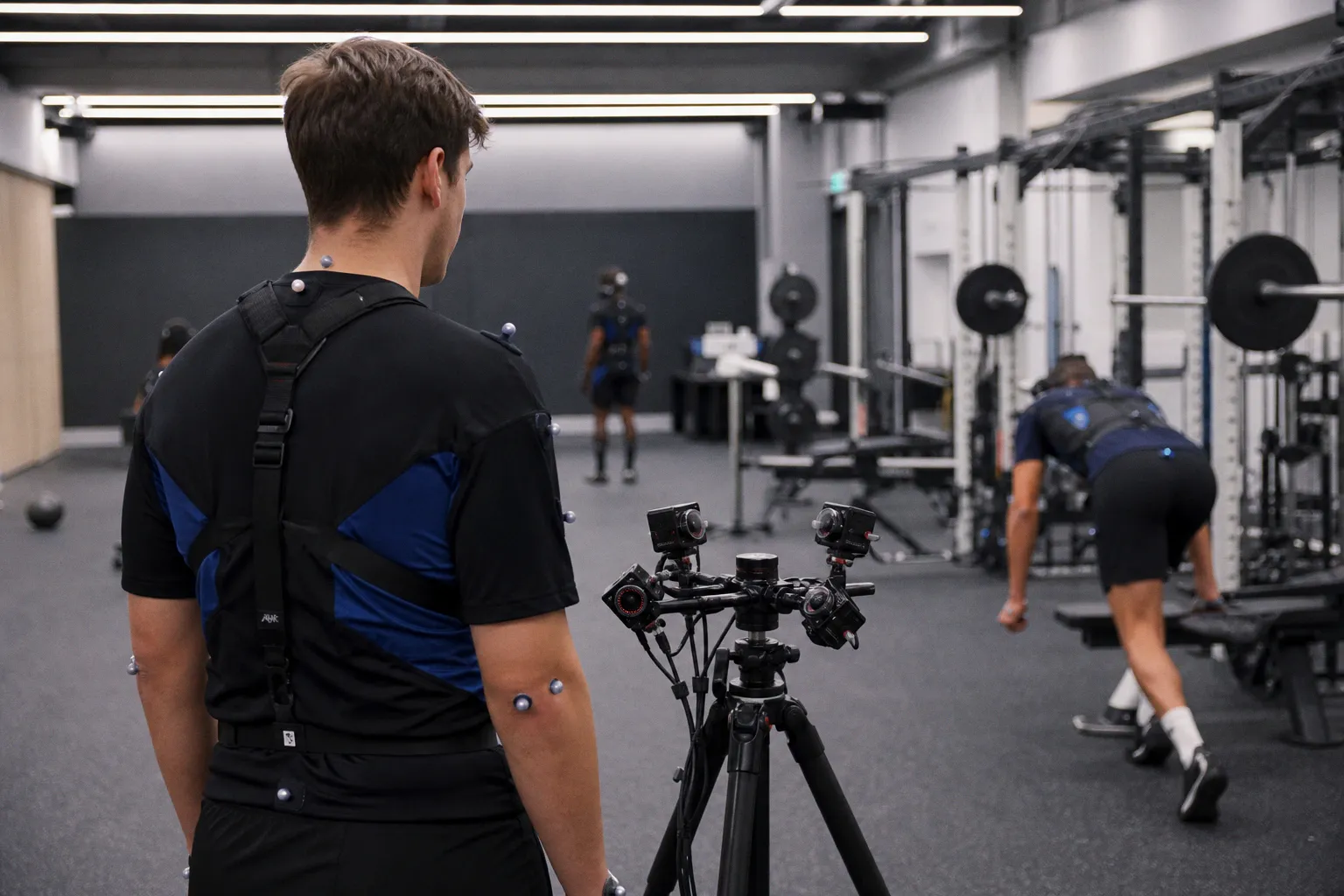
At this elite level of competition, the human body operates as a finely tuned kinetic chain, where even the slightest disruption to recovery cycles can dismantle a player's spatial awareness and explosive power. The staggered conclusion of the group stage introduces a stark asymmetry, leaving some squads to prepare on rest windows that differ by up to 72 hours. In the realm of sports science, such a three-day variance in a training microcycle fundamentally alters the rate of glycogen replenishment and soft-tissue repair, leaving fatigued players struggling to maintain the precise biomechanical alignment necessary for high-intensity movement.
Compounding this physical degradation is the sheer geographic vastness of the tournament venues across Canada, Mexico, and the United States. Transitioning from the thin, taxing air of high-altitude Mexico City to the heavy, humid atmosphere of sea-level Miami imposes an environmental taxation rate that drains cardiovascular reserves, forcing technical staffs to manage acute physiological stress before a single ball is kicked.
Tactical Asymmetry and the Low-Block Grind
When recovery is compromised, the tactical approach of a squad must undergo a defensive contraction, shifting from aggressive, high-pressing systems to low-intensity defensive blocks. We see this friction play out when possession-dominant teams, seeking to stretch the pitch horizontally to open up interior passing channels, clash with disciplined opponents arrayed in compact 5-4-1 or 4-5-1 formations.
In these setups, the distance between the defensive and midfield lines is restricted to under ten meters, demanding extraordinary mental fortitude and constant micro-adjustments in positioning to deny space. For the fatigued side, relying on low-probability counter-attacks or set-piece exploitation becomes a necessity of survival, as the physical capacity to sustain a high press evaporates under the weight of accumulated travel and short turnaround times.
The Blueprint of Championship Endurance
To navigate such high-stakes knockout dynamics, teams often look to the tactical blueprints of past champions, who balanced structural discipline with moments of individual creative freedom. Argentina’s 2022 campaign masterfully illustrated this balance, utilizing an adaptive transition system where Enzo Fernández and Alexis Mac Allister absorbed central pressure, allowing Lionel Messi to operate unburdened by defensive tracking and strike with surgical precision.
Similarly, France in 2018 relied on a pragmatic mid-block double-pivot of N’Golo Kanté and Paul Pogba to suffocate space, launching rapid vertical counter-attacks through Kylian Mbappé. As data's influence grows and teams increasingly turn to analytical variables to optimize performance, the ultimate decider in this expanded tournament will remain the players' ability to maintain technical precision and mental resilience through the compounding exhaustion of the knockout rounds.