Portugal World Cup 2026: Ronaldo's Last Tournament & Betting Guide
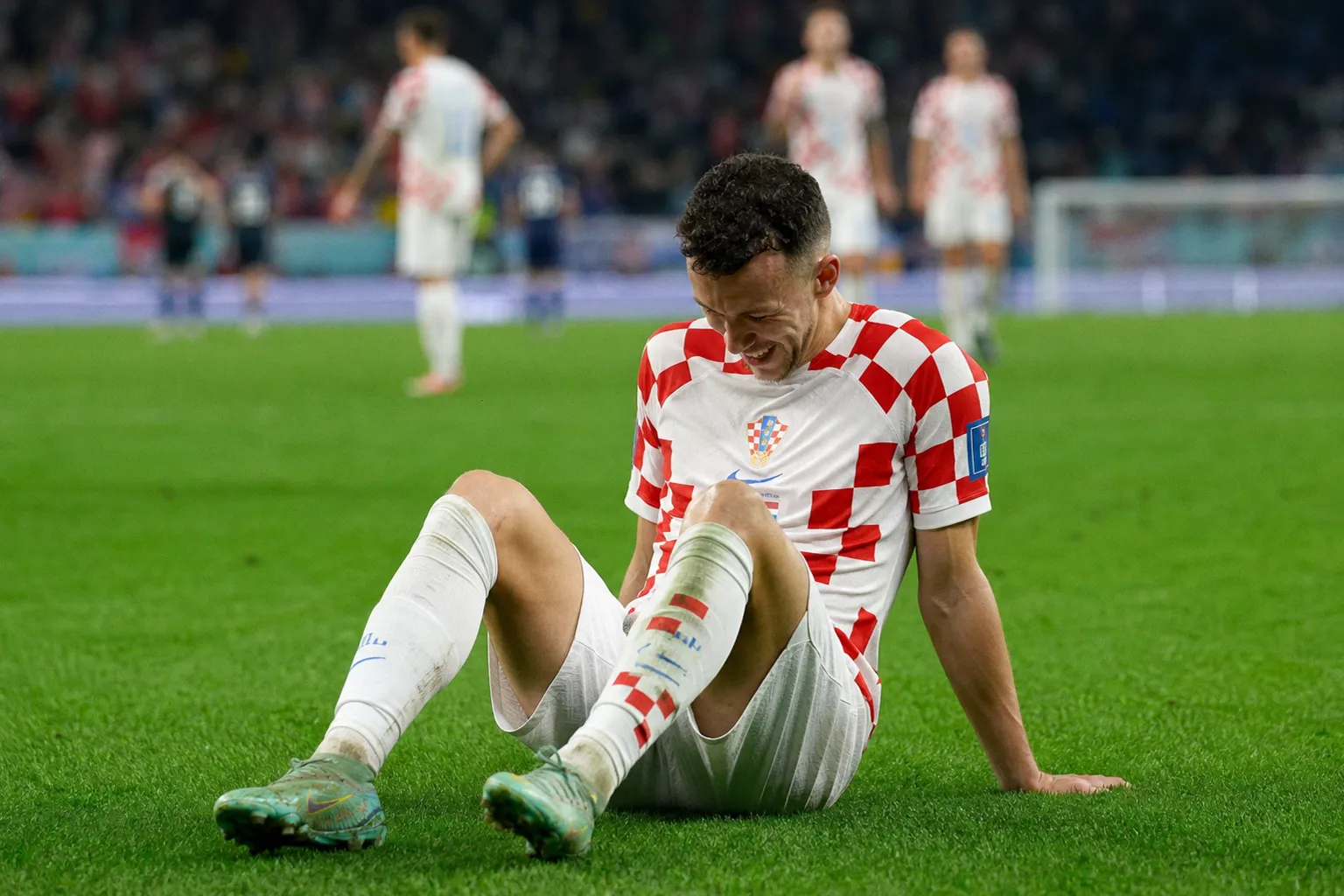
At forty-one, with the calendar turning toward a tournament that has eluded him across five previous attempts, Cristiano Ronaldo approaches what the football world widely treats as his final World Cup.
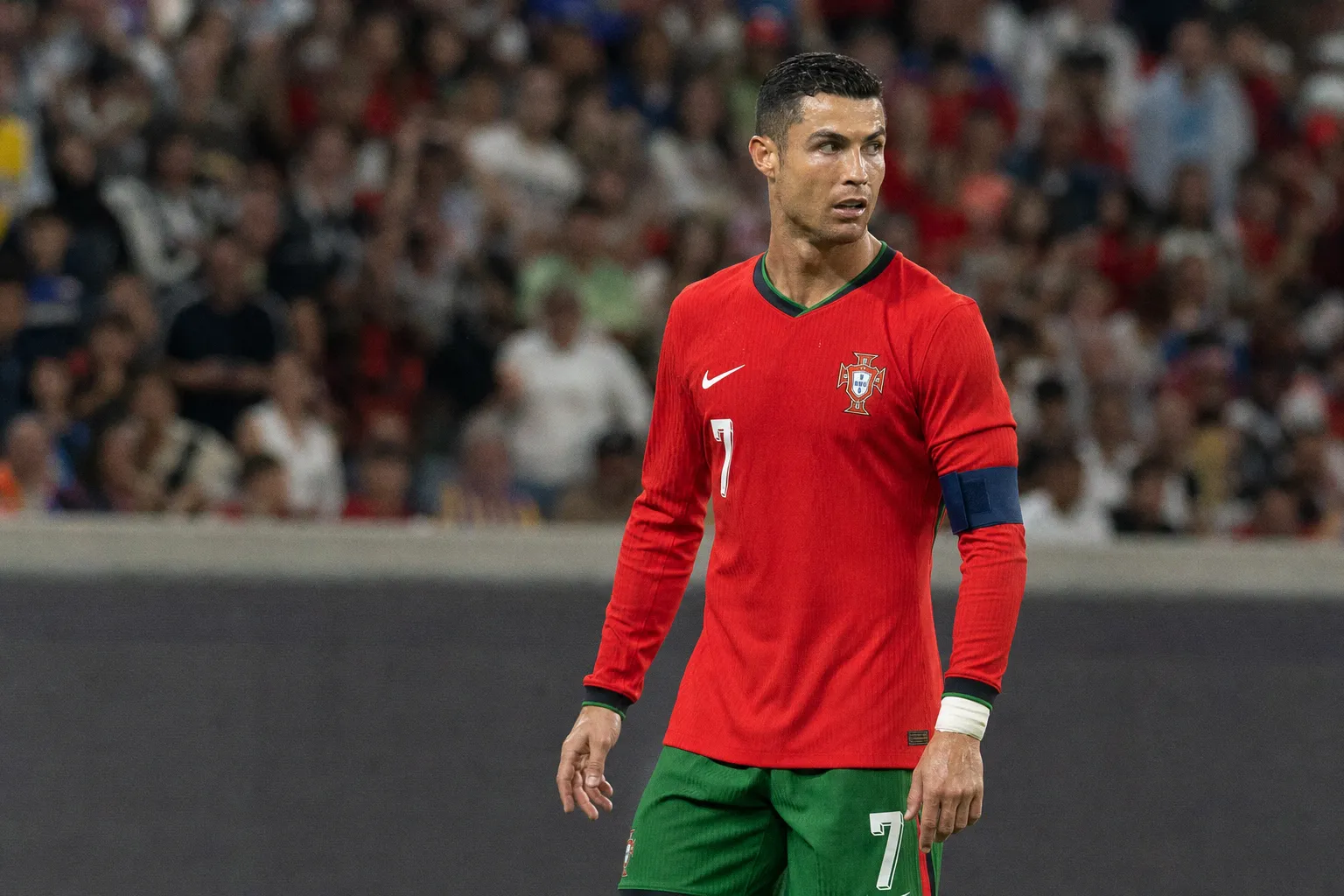
The Weight of Five Tournaments Without a Final
There is a particular gravity that settles on an athlete who has reached every summit except one. Ronaldo has played in five World Cups, from 2006 through 2022, accumulating eight goals across those campaigns—a respectable figure, though a distant second to Miroslav Klose's all-time record of sixteen. He has never reached a final. Portugal themselves carry their own lineage of near-misses: a third-place finish in 1966, with Eusébio, remains their highest, the 2006 squad fell in the semi-finals to France, and the 2022 team departed in the quarter-finals against Morocco despite arriving among the favourites.
Each generation of Seleção supporters inherits this unfinished sentence. The 2026 squad will carry it forward, with their captain's legacy now bound to whether this campaign can finally close the loop.
A System Negotiating with Its Centerpiece
Under Roberto Martínez, appointed after the 2022 quarter-final exit, Portugal have moved away from the pragmatic identity of predecessor Fernando Santos. The current architecture favours possession, width, and high defensive lines, typically unfolding in a 4-3-3 or 4-2-3-1 that channels creativity through Bruno Fernandes and Bernardo Silva while positioning Ronaldo as a central striker.
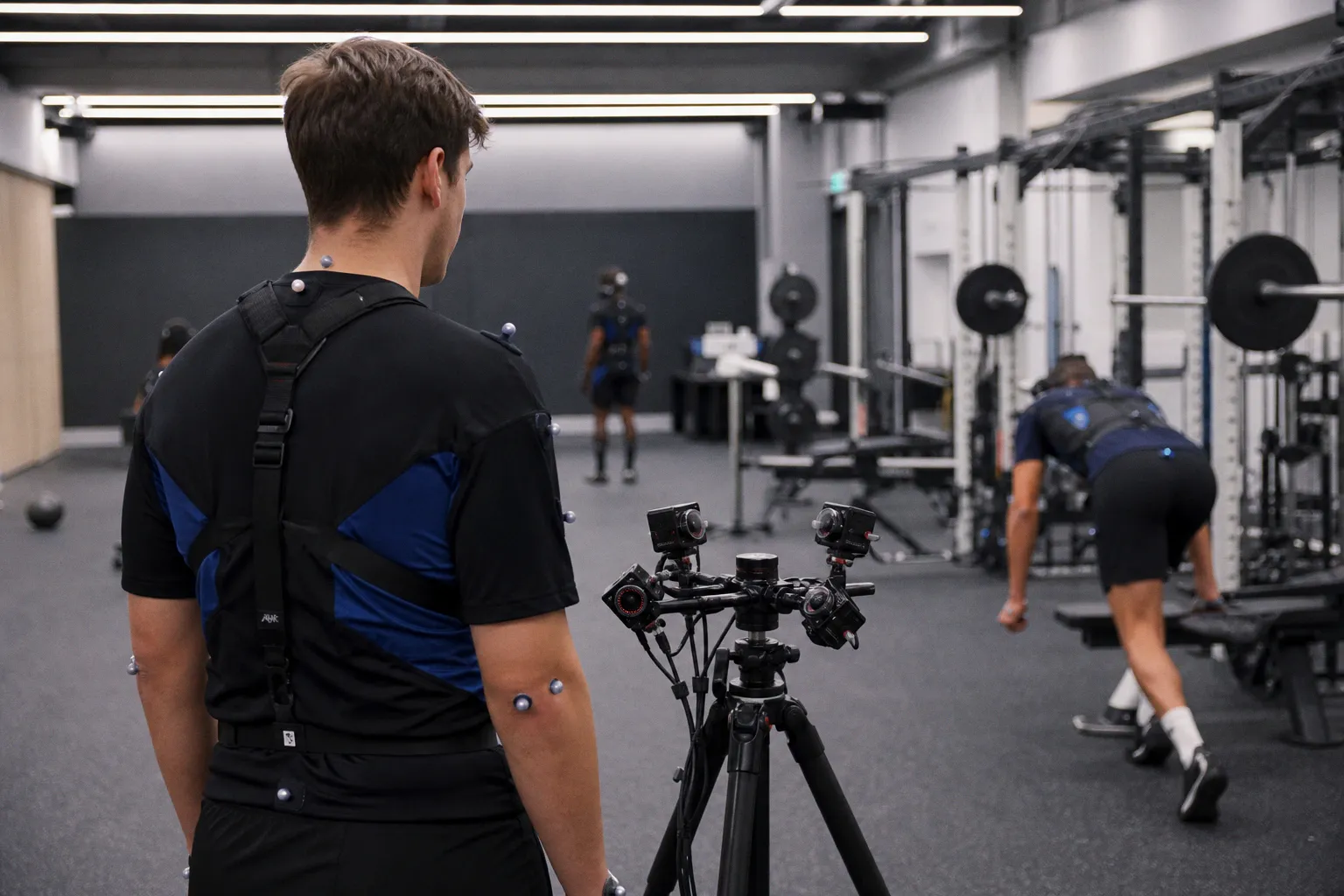
The biomechanical puzzle here is delicate. Martínez's pressing demands require an intensity Ronaldo can no longer sustain for ninety minutes, yet the captain's spatial intelligence and finishing instinct remain undeniable. It becomes a negotiation between the system and the body—how to preserve the predatory instincts that have defined his career without leaving the midfield structurally exposed against quick transitions. Every minute of his deployment must be choreographed with the precision of a final movement, not the freedom of a young striker still discovering his ceiling.
Reading the Group Stage
Congo DR and Uzbekistan arrive as tournament debutants, each carrying the nervous energy of first qualification. Colombia, drawn alongside them, carries enough pedigree to test Portugal's defensive organisation in ways the newcomers likely will not. For Martínez, the early fixtures offer a chance to calibrate Ronaldo's minutes carefully—protecting the asset while keeping him sharp enough to define moments that matter later.
Portugal sit seventh in the FIFA rankings, a position reflecting consistency rather than dominance. They are not the heavy favourites they were in 2022, and that lighter expectation may suit them better. The Seleção's task is narrow: feed Ronaldo enough of the ball in the right spaces, trust the creative axis of Fernandes and Silva, and hope the instincts that have carried him through two decades of international football summon one more answer when the tournament truly demands it.