FIBA 3x3 World Cup 2026: Analyzing the Half-Court Format's Rise in Professional Basketball Strategy
The FIBA 3×3 World Cup 2026 is drawing pre-event visibility from a sportsbook-adjacent angle, with 1xBet publishing a dedicated analysis of how the half-court format is consolidating its status inside the global basketball calendar.
Format context: what the half-court game actually demands
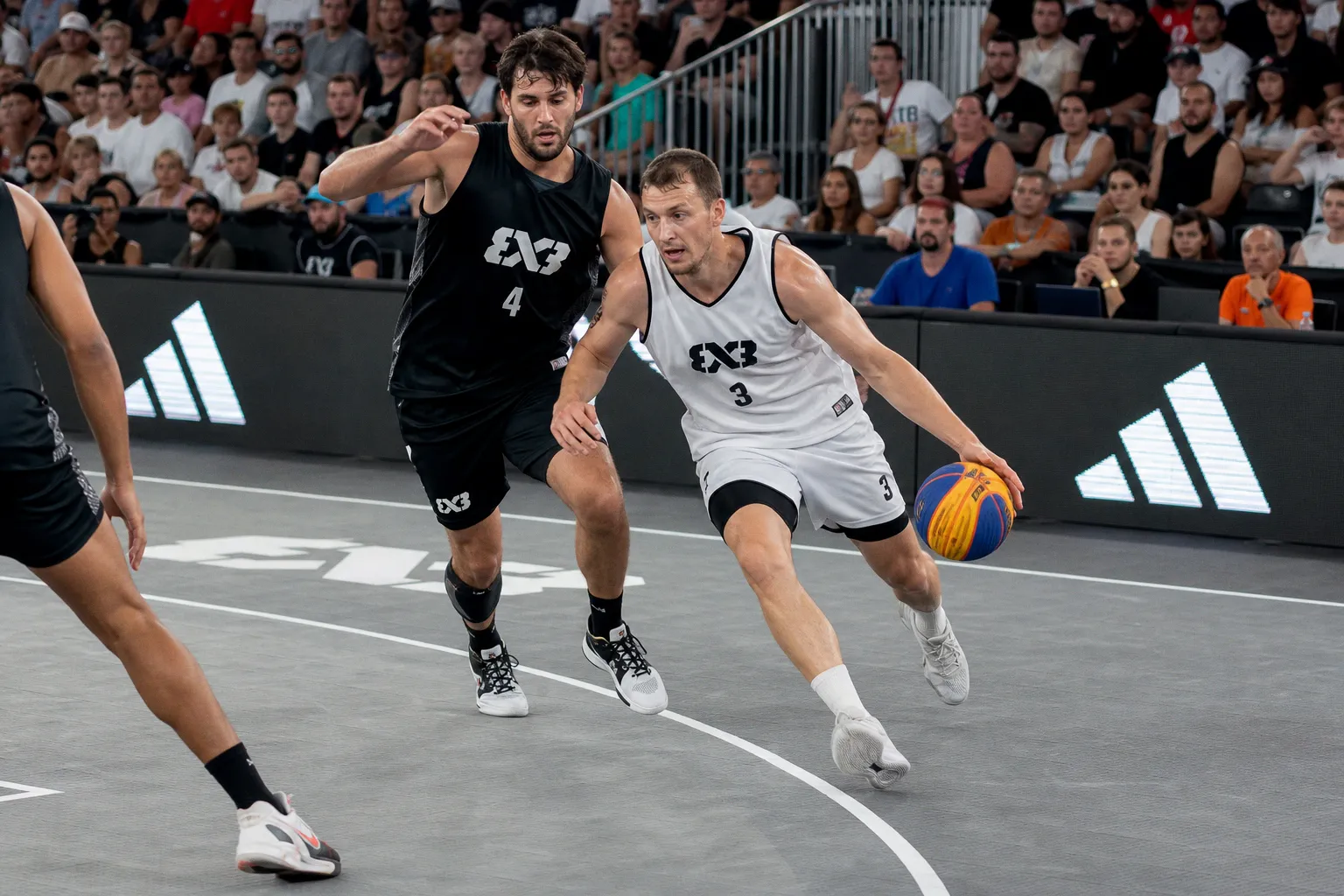
Three-on-three basketball operates on a structurally tighter clock than the five-on-five version, with one basket, compressed spacing, and possessions that punish hesitation in the half-spaces. The format rewards players who can manufacture separation without a help defender rotating from the weak side, absorb contact at the rim without a true drop-coverage safety net, and read the pick-and-roll with fewer variables in play. Those traits map cleanly onto the combo-guard and stretch-wing archetypes increasingly valued across NBA rotations, which is why NBA scouting departments have steadily formalized 3×3 viewing into their international calendars.
What a dedicated pre-tournament analysis from a non-traditional basketball publisher signals is not scouting depth but commercial weight — confirmation that the format has attracted the kind of content investment that follows when a property is treated as a calendar fixture rather than a curiosity.
What to track once the box scores surface
For readers following how 3×3 intersects with the broader basketball ecosystem, the watch items are narrow: which national federations are qualifying rosters that include current or recently NBA-affiliated players, how scoring pace compares across the men's and women's draws, and whether any standout performers use the tournament as a springboard into summer league or G League opportunities. None of these questions can be answered from pre-event coverage alone — they require the actual competitive data once tip-off arrives.
The broader sports-tourism backdrop, with one industry analysis placing the global market near the $1.8 trillion mark during the FIFA World Cup cycle, illustrates the revenue environment that marquee events now operate inside, even if a direct cross-format comparison between a soccer World Cup and a 3×3 basketball World Cup requires caution. Scale of audience, not similarity of sport, is the relevant variable.
Bottom line
The FIBA 3×3 World Cup 2026 is a legitimate data point in any longitudinal read on basketball's format diversification. The presence of a dedicated analysis from a sportsbook brand confirms institutional interest. The competitive substance — and the player storylines that will matter to this audience — will only surface once the first possession tips.