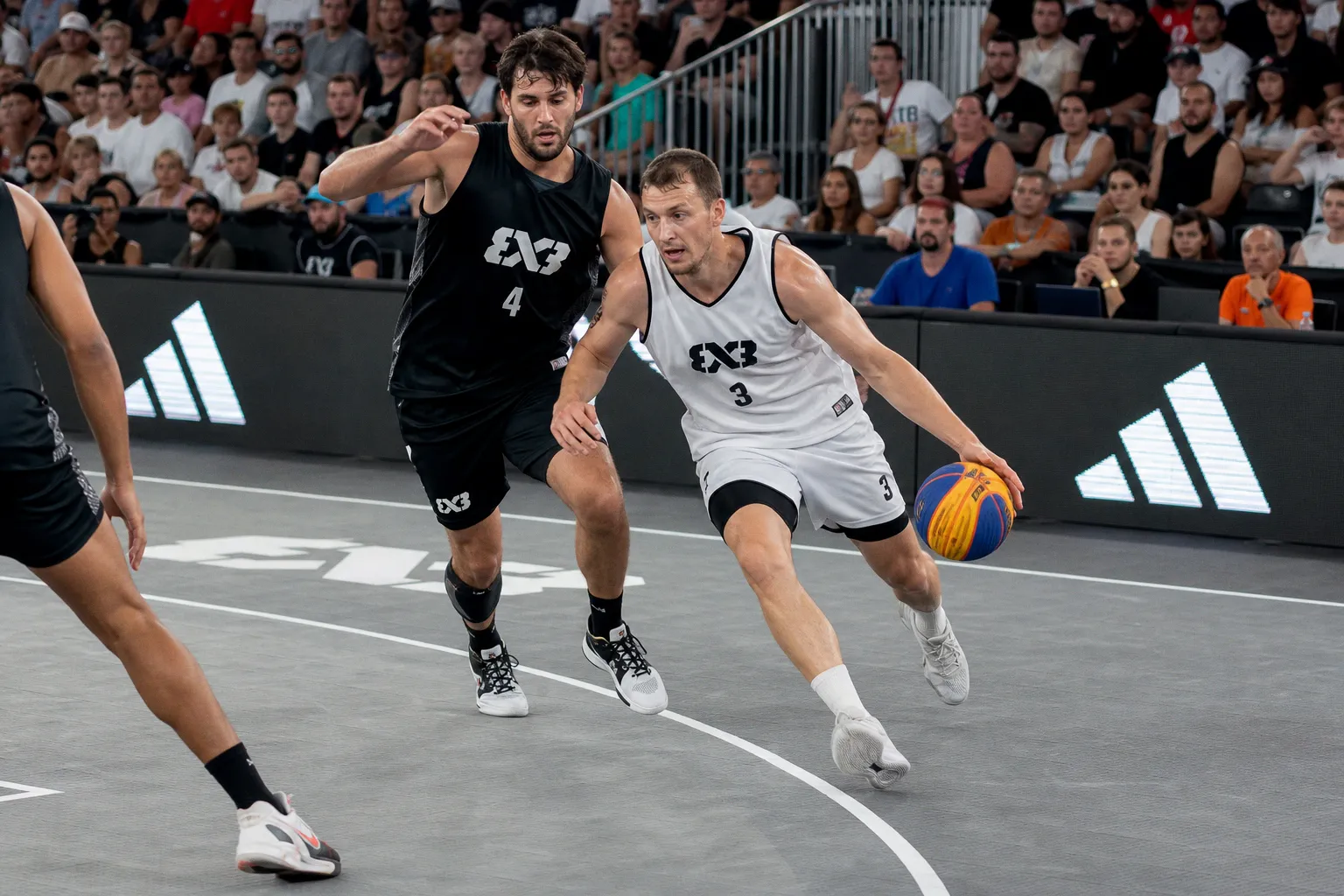
How Technology Is Revolutionizing Professional Sports?
Every sparring session leaves a fingerprint now. Heart rate variability, GPS heat maps, force plate landings — the kit that used to live in Olympic labs is crawling into regular gym bags, and the…
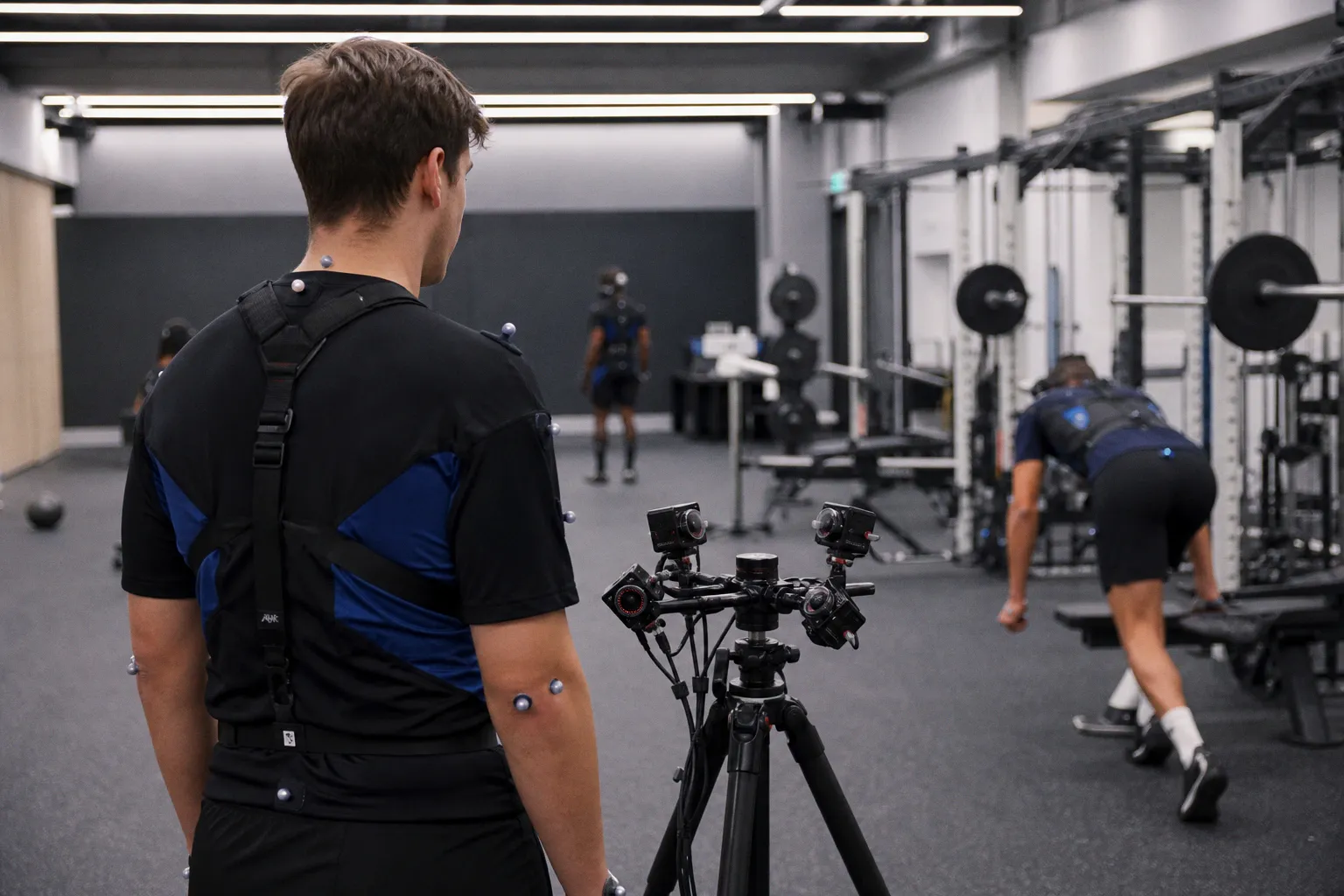
Every sparring session leaves a fingerprint now. Heart rate variability, GPS heat maps, force plate landings — the kit that used to live in Olympic labs is crawling into regular gym bags, and the data revolution WIPO just mapped in its SPARK report on sports technology shows exactly why that shift isn't slowing down. Patents around biometric sensors, smart fabrics, and training-load platforms are stacking up, which means the tech your favorite fighters and ballers rely on is about to get sharper, cheaper, and harder to ignore. Here's what actually matters when the headlines meet the mat.
Wearables Aren't Toys Anymore
I've worn enough chest straps and wrist trackers to know most of them are glorified step counters. That's changing fast. The WIPO brief flags explosive growth in IP filings around wearables that track training load, recovery markers, and injury risk in real time. For a combat athlete, that's the difference between rolling through a camp with a blown ACL or catching the warning signs three weeks early.
- Load management is the new gas tank. If your watch tells you CNS fatigue is climbing, you don't need a coach screaming at you to back off — the numbers do it.
- Smart fabrics are moving beyond heart rate. Think fabric-embedded sensors reading muscle activation and skin temperature during grappling rounds.
- Recovery isn't vibes anymore. HRV trends, sleep scores, and readiness metrics now drive whether tomorrow's session is flow rolling or hard sparring.
The catch? Most consumer-grade gear still lags behind what pro clubs deploy. But the patent pipeline WIPO tracks suggests that's a gap, not a wall.
Data Killed the Eye Test
Moneyball wasn't the end — it was the opening bell. WIPO's analysis shows data analytics is now baked into scouting, contract valuation, and in-game tactics across football, NBA, and beyond. Scouts still trust their gut, but they're cross-referencing it with predictive models that flag undervalued talent before the highlight reels catch up.
For fighters specifically, this hits different. Striking volume, takedown defense percentage, cage control metrics — the same numbers UFC broadcasts on screen are now flowing into matchmaking decisions. Your favorite icon's next opponent wasn't picked on vibe. They were picked by an algorithm that crunched the film.
What the Average Grinder Should Steal
You don't need a six-figure performance lab to pull value from this shift. Strip it down:
- Track one metric consistently. HRV or sleep quality — pick one, log it daily.
- Use data to program your macro-cycle, not to obsess over every session.
- Remember the IP boom means better consumer gear hits shelves within 2–3 years of the pro version.
Bottom line: the tech revolution isn't coming for pro sports — it's already sitting on the bench. The fighters and athletes you watch on celebsbio.com are training with tools that would've looked like science fiction a decade ago, and the gap between their gym and yours is shrinking every patent cycle.