Sports analytics market to hit $9.64B by 2030, driven by AI, real-time tracking, and fan engagement.
A $9.64 billion valuation by 2030 — that's the number multiple financial outlets are now projecting for the global sports analytics market.
Where the Growth Spine Runs
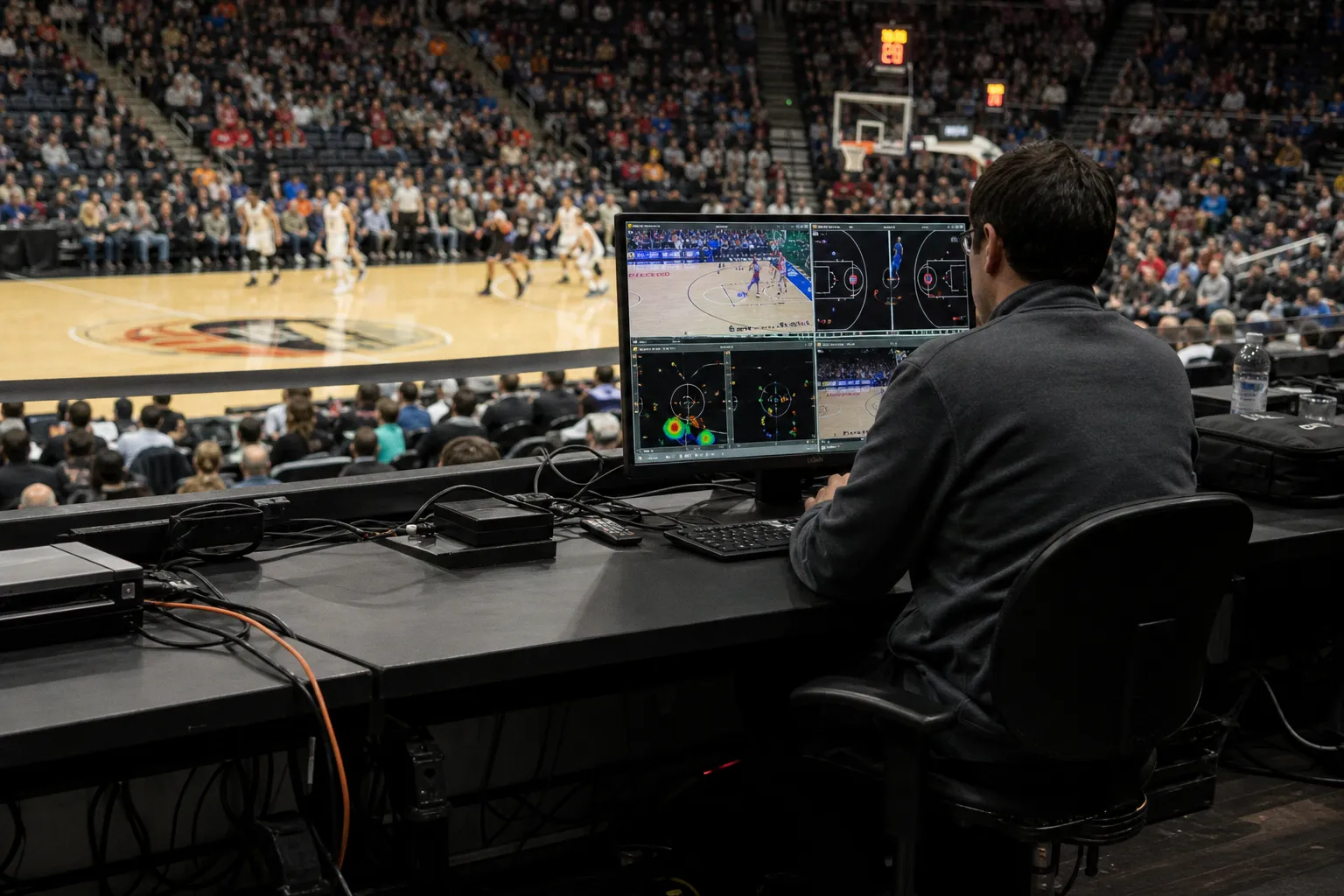
The cluster of reports points to three core demand drivers: AI-powered decision systems, real-time player-tracking infrastructure, and fan-engagement platforms that monetise granular data. For NBA operations, none of these are theoretical. Tracking cameras have been league-mandated since 2013; the next wave is about layering machine-learning models on top of that spatial feed — forecasting fatigue curves, optimising lineup net-rating windows, and flagging injury-risk load thresholds before the medical staff even pulls up the film.
Usage rate and half-space occupation metrics that once lived on a scout's private spreadsheet now flow into broadcast graphics within seconds. The market's projected nine-figure growth suggests leagues and their technology partners see a viable business case in compressing that latency further and selling the output upstream to media rights holders.
What It Means at Player Level
For the athletes themselves, expanded analytics budgets translate into denser biometric monitoring and more granular shot-profile modelling. Expect every franchise to staff larger performance-science departments by mid-decade. The practical effect: contract negotiations increasingly reference proprietary data grades — catch-and-shoot efficiency off stagger screens, defensive drop-coverage recovery speed, on-off net-rating differentials — rather than raw box-score averages.
The cautionary note is in the data's interpretation, not its collection. More sensors do not automatically produce better decisions; front offices still need personnel who can separate signal from noise. A $9.64 billion market inflates the tooling budget, but the evaluation ceiling remains a human bottleneck.
Tracking the Trajectory
Several variables will determine whether the projection holds: adoption rates among mid-tier leagues outside North America, the regulatory climate around biometric data consent, and whether AI-driven scouting platforms can demonstrate a measurable edge over traditional film study in draft and trade outcomes. Each of those is worth monitoring quarter by quarter.
For the audience reading player bios and career arcs here, the headline takeaway is structural. The money flowing into analytics is not abstract market speculation — it is actively rewriting how legacies are built on the floor, one possession-grade at a time.