Top 100 World Cup Moments, Ranked: Legends, Icons, And Memorable Games
The World Cup is not just a highlight reel. It is a stress test. FOX Sports has rolled out a ranked Top 100 of men’s FIFA World Cup moments, from Maradona slicing through England to Messi lifting the…
The World Cup is not just a highlight reel. It is a stress test. FOX Sports has rolled out a ranked Top 100 of men’s FIFA World Cup moments, from Maradona slicing through England to Messi lifting the trophy, Pelé’s legacy, Cristiano Ronaldo’s wink after Wayne Rooney’s red card, and the kind of single-touch magic that changes a player’s biography in one breath. For anyone who trains, coaches, or studies elite athletes, the list is less nostalgia and more film-room fuel: pressure, decision speed, body control, emotional control — all exposed under stadium lights.
The moments that still hit like contact
The FOX Sports countdown frames the World Cup through the moments that stick: iconic, controversial, defining. Good. That is how the tournament actually lives in the body.
A few examples from the ranking show why:
- Lionel Messi against Nigeria in 2018: Argentina’s captain had not scored through two games, including a 3-0 loss to Croatia. Then came the first touch against Nigeria, the kind that kills panic before the ball even drops. Argentina won and advanced.
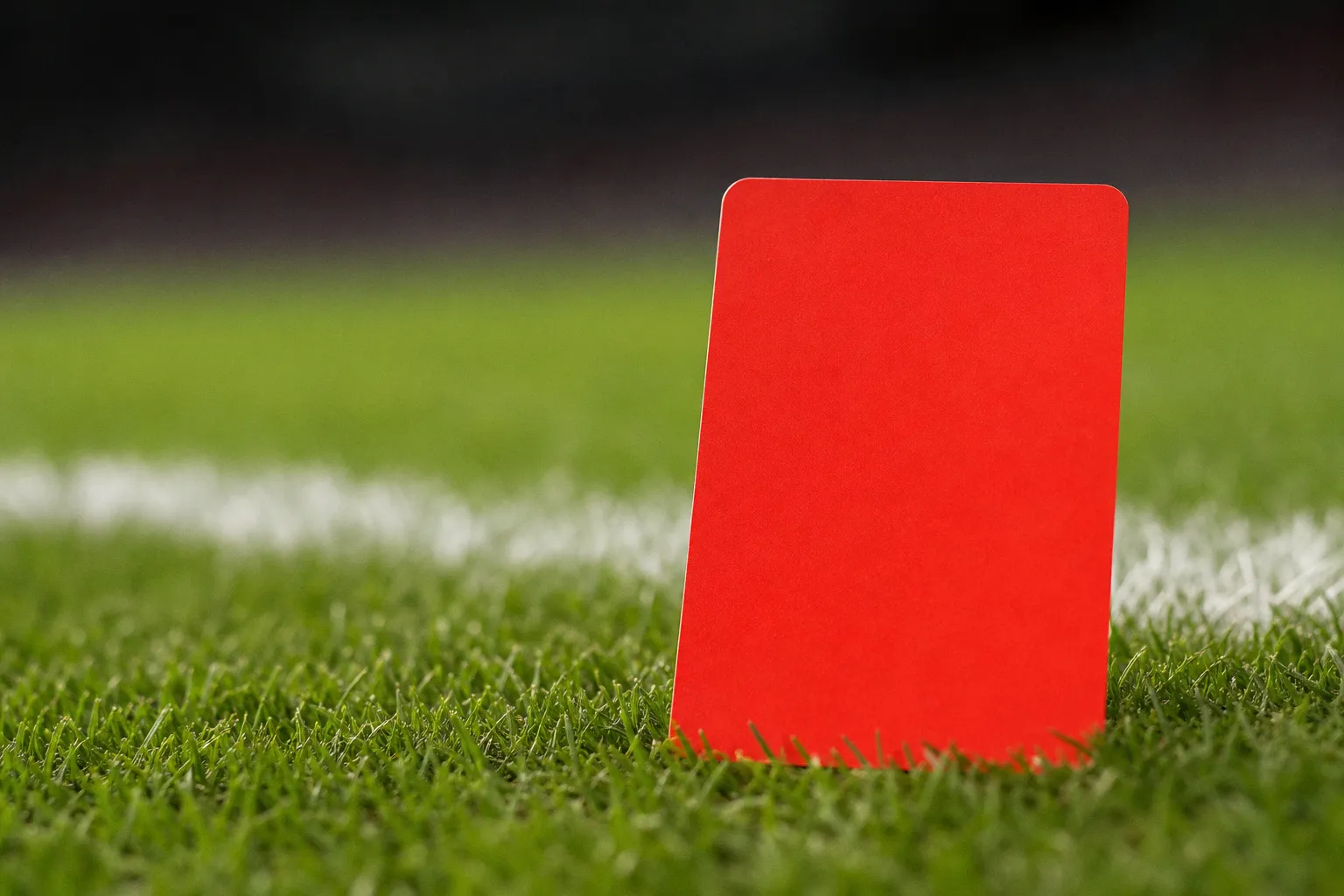
- Vincent Aboubakar against Brazil in 2022: he scored the winner for Cameroon, making it the first time an African country had beaten the five-time champions in a World Cup setting. Then he was sent off for excessive celebration. Shirt off. Red card. Worth it, at least emotionally.
- Cuauhtémoc Blanco in 1998: the “Cuauhtemiña,” clamping the ball between both feet and hopping between South Korean defenders. No goal. Still immortal. That matters.
- Jürgen Klinsmann at USA ’94: back to goal, routine-looking reception, one hip swivel, and suddenly it is a World Cup goal people still talk about.
- Eric Wynalda at USA ’94: a curling free kick against Switzerland that helped the U.S. grab a 1-1 draw. That point, plus the later upset over Colombia, pushed the U.S. into the second round.
- Philipp Lahm in 2006: opening-game violence in a clean package — a long-range curler into the top corner against Costa Rica, while wearing a cast on his right arm after a recent injury.
That is the real lesson. World Cup greatness is not one skill. It is touch, timing, nerve, improvisation, and a gas tank for pressure.
What athletes should steal from the list
I do not care if you are a Sunday-league fullback, a youth coach, or a combat-sports athlete watching football for footwork. These clips are usable.
Messi’s Nigeria goal is first-touch training. Not cone-dribble fluff. A real first touch: scanning, separation, finish. The ball does not wait for your nerves to settle.
Blanco’s move is chaos skill. You may never hop through two defenders in a match, and you probably should not build your whole game around circus tools. But the point is bigger: players who own weird movement options can break defensive rhythm. That is footwork as misdirection.
Klinsmann’s swivel is hip mechanics. Same thing I look for in striking, sprawling, and clinch turns. Hips change the fight. Hips change the shot angle. Hips turn a dead reception into damage.
Wynalda and Lahm are striking examples in football boots. Set piece or open-play curl, the theme is repeatable technique under load. Clean plant. Shape. Commitment. No half-kicks.
Aboubakar’s moment is the warning label. Emotion wins hearts. Emotion can also cost you. Big-stage athletes need release valves that do not hand the referee a clean decision.
The red-card mess is part of the athlete story too
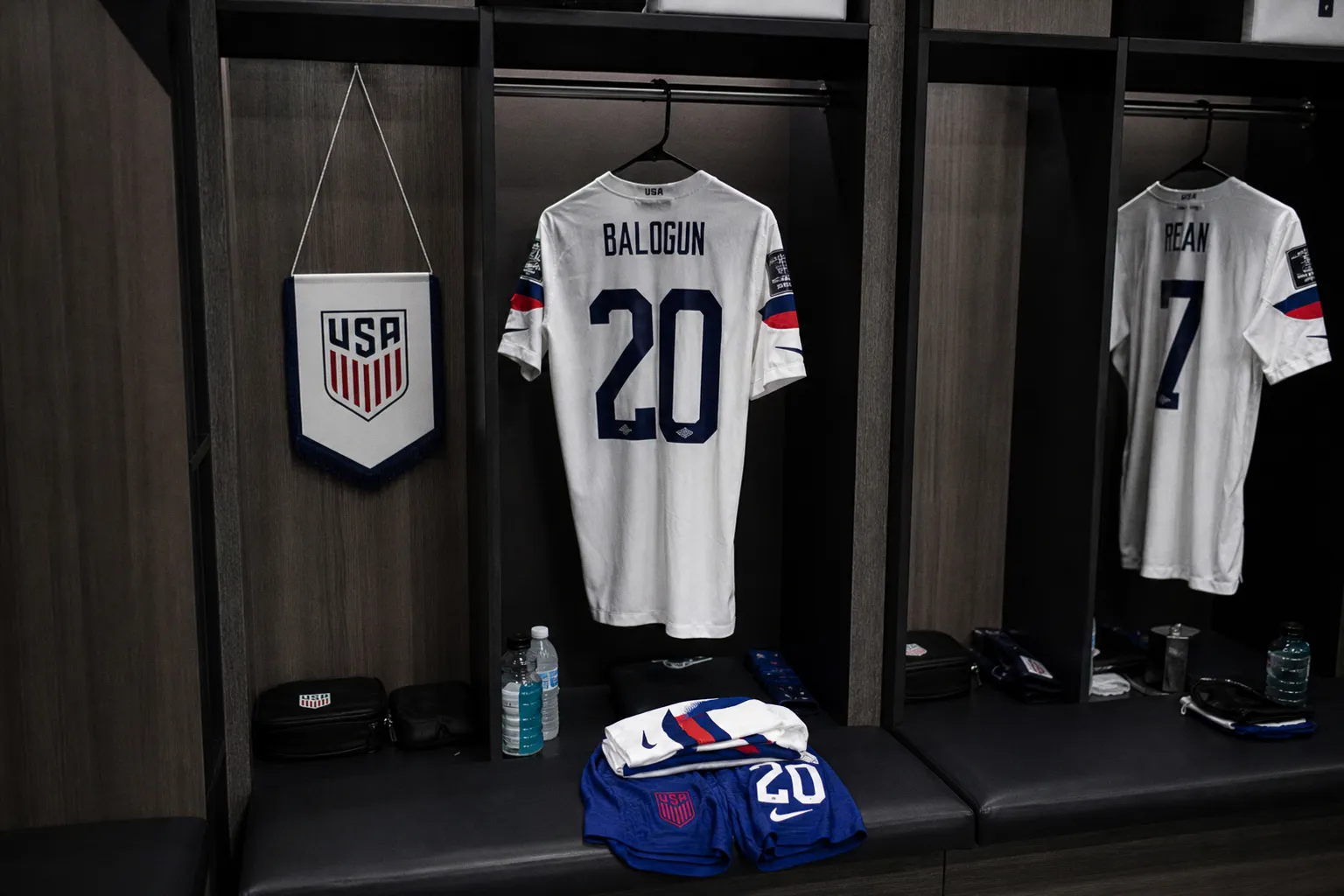
The other live World Cup thread is not pretty. Front Office Sports reports that FIFA overturned Folarin Balogun’s red card after first confirming he would miss the U.S. men’s national team’s round-of-16 match against Belgium in Seattle. The reversal triggered pushback from officials, coaches, and authorities, with UEFA saying FIFA crossed “a red line.”
According to the report, Balogun had been sent off after a VAR review of an incident in which he stepped on Tarik Muharemović’s ankle while falling during the U.S. win over Bosnia and Herzegovina. The referee did not call a foul on the field, but slow-motion footage was used in the review. The report notes that VAR rules say slow motion should not be used to judge intensity, with those calls made from normal-speed footage.
FIFA did not give a detailed explanation for reconsidering the red card, per the report. Belgium challenged Balogun’s eligibility and FIFA dismissed that challenge. Balogun, who has scored three goals for the U.S. in the tournament, was cleared to play.
For athletes, this is the ugly part of elite sport: control what you can, survive what you cannot. Technique matters. Discipline matters. But so does the system around the game — VAR angles, review process, appeals, federation pressure. That can change a tournament as fast as a through ball.
Verdict: the Top 100 list is useful if you watch it like a practitioner, not a tourist. Do not just replay the goals. Study the body positions, the pressure, the emotional breaks, the referee risk. That is where the real World Cup education lives.