Beyond the Pitch: How Sports IP Is Transforming Into a Daily Lifestyle Essential
According to 36Kr, the World Cup is no longer just a four-year spike in shirts, flags and bar-stool arguments—it is becoming a year-round lifestyle engine built around teams and athletes.
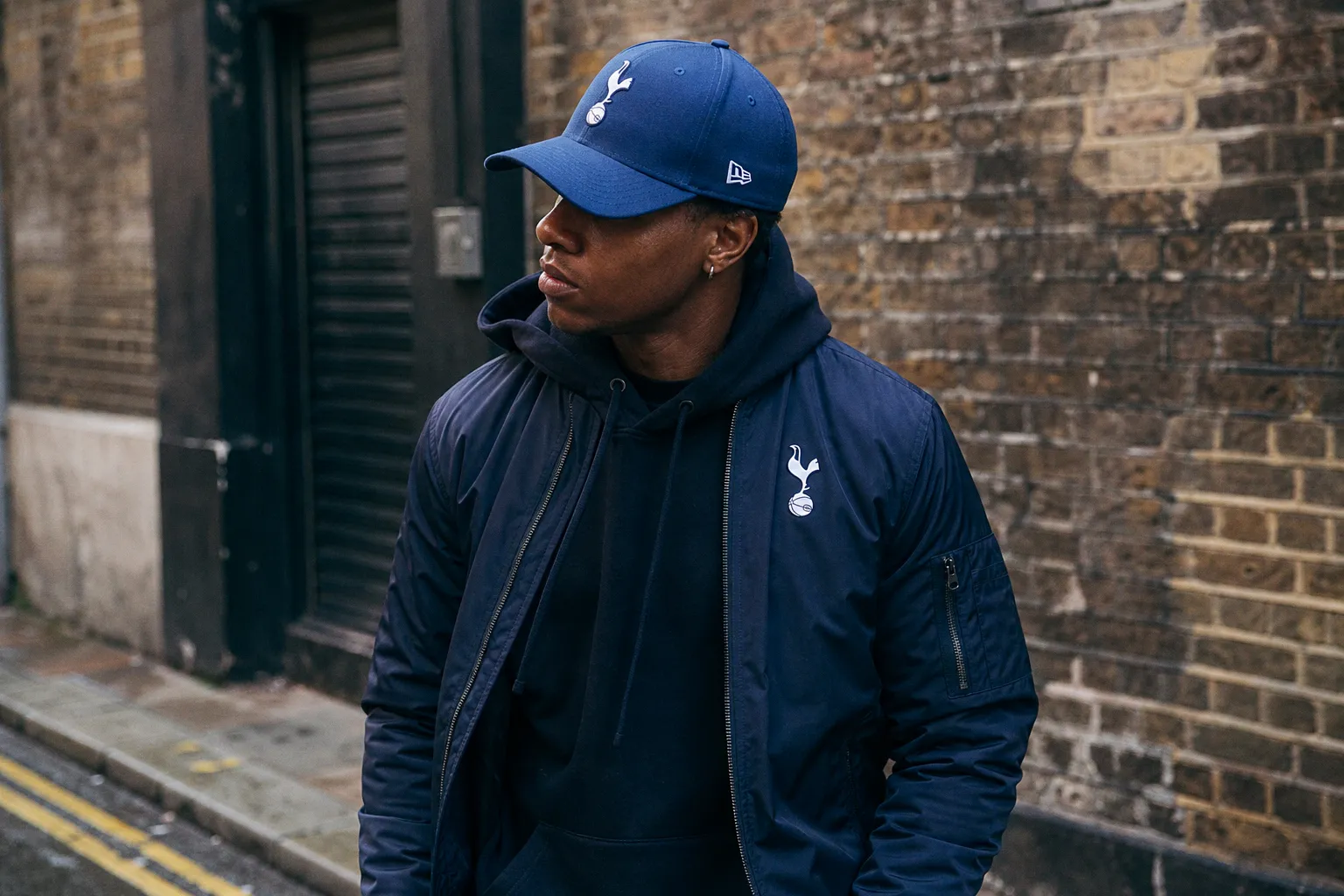
That matters because fans do not switch off when the final whistle goes. The real fight now is for space in daily routines: what people wear, collect, train in and put around the house.
I look at this through the gear-bag lens. A badge on a product is not performance. But the badge can be the hook that gets someone off the couch, into boots, and through another hard session.
From match-day kit to everyday identity
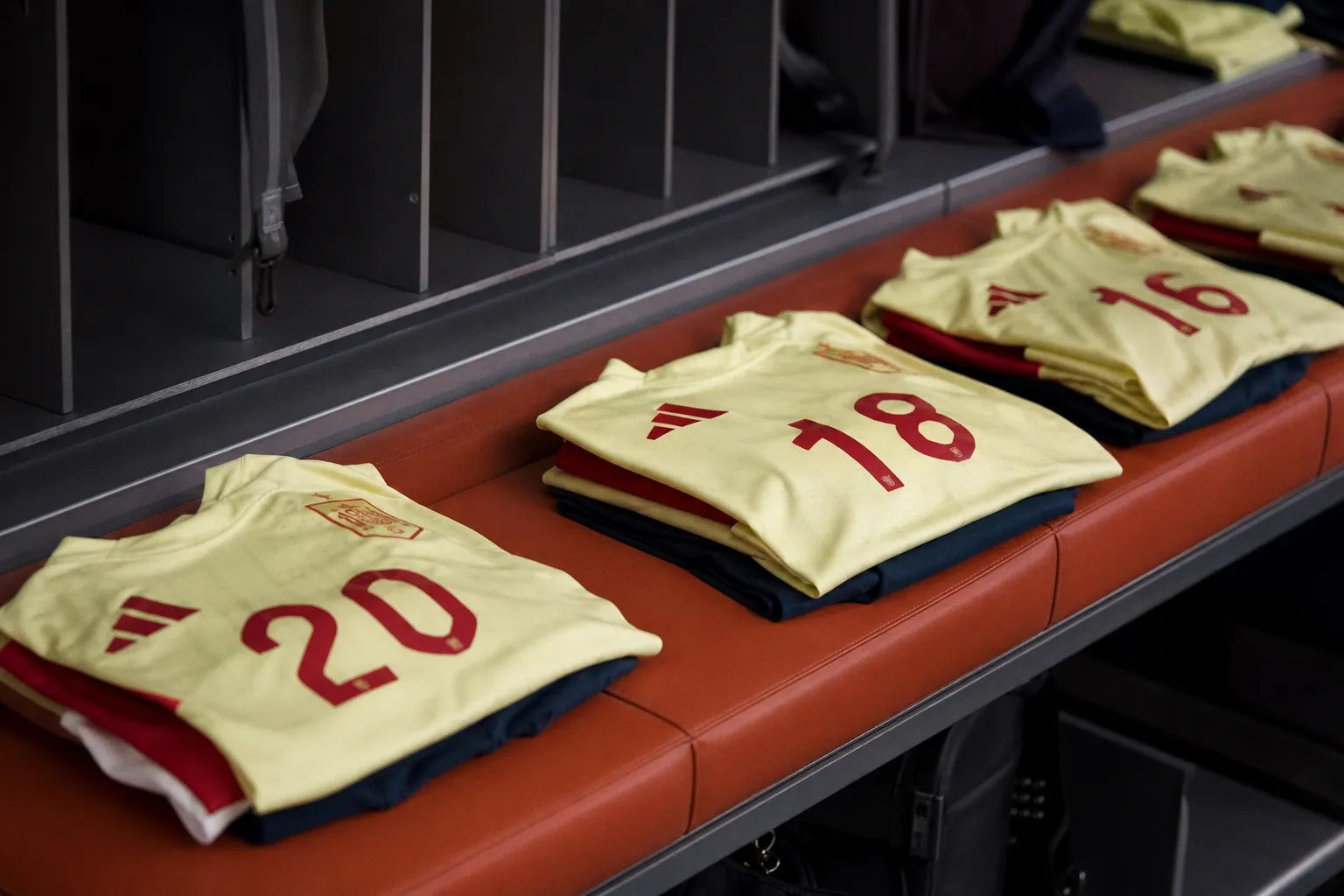
36Kr describes a shift away from event-only souvenirs toward products across fashion, home goods, trendy toys and pet accessories. Its core point is solid: sports IP runs on real matches, real athletes and memories that keep stacking up between tournaments.
That is a bigger play than selling a jersey after one massive night.
For football fans, the useful split is simple:
- Support gear: scarves, shirts, collectibles. Emotion first.
- Training gear: boots, balls, shin guards, recovery tools. Durability first.
- Lifestyle gear: the crossover zone. It has to survive daily use, not just look sharp in a photo.
A World Cup shirt can carry a memory. It cannot carry your training block. If you are buying because of a player, club or tournament, check the construction before the crest: fabric weight, seams, fit under movement, wash resistance. Hype fades fast when a collar warps after three cycles.
The tournament creates the spike—routine creates the value
The report argues that major tournaments amplify fan emotion, while the long-term commercial opportunity comes from sustained affection for teams and stars. That tracks. A World Cup can light the fuse, but a football habit needs repeatable fuel: a kickabout, a local pitch, a home drill, a match replay with friends.
The worst version of sports consumption is all noise. Buy the drop. Post it. Park it in a drawer.
The better version is functional. Pick one piece that earns its keep in your weekly rotation. A training top that handles sweat. A ball you actually take outside. Footwear chosen for the surface you play on—not because an elite name is printed on the box. Your gas tank will not care about a limited-edition colorway.
There is also a digital layer to this identity game. The wider collision of culture, collectibles and technology is visible in projects such as Digital Korea and the fusion of culture and technology. For sports, the hard test remains the same: does the digital object deepen the fan connection, or is it just another loud thing asking for attention?
Don’t confuse fandom with a training plan
36Kr frames sports IP as a long-term lifestyle-consumption relationship rather than a one-off monetization moment. Fine. But athletes and serious recreational players should keep the pecking order straight.
First: movement.
Then: recovery.
Then: kit that survives both.
Everything else is optional.
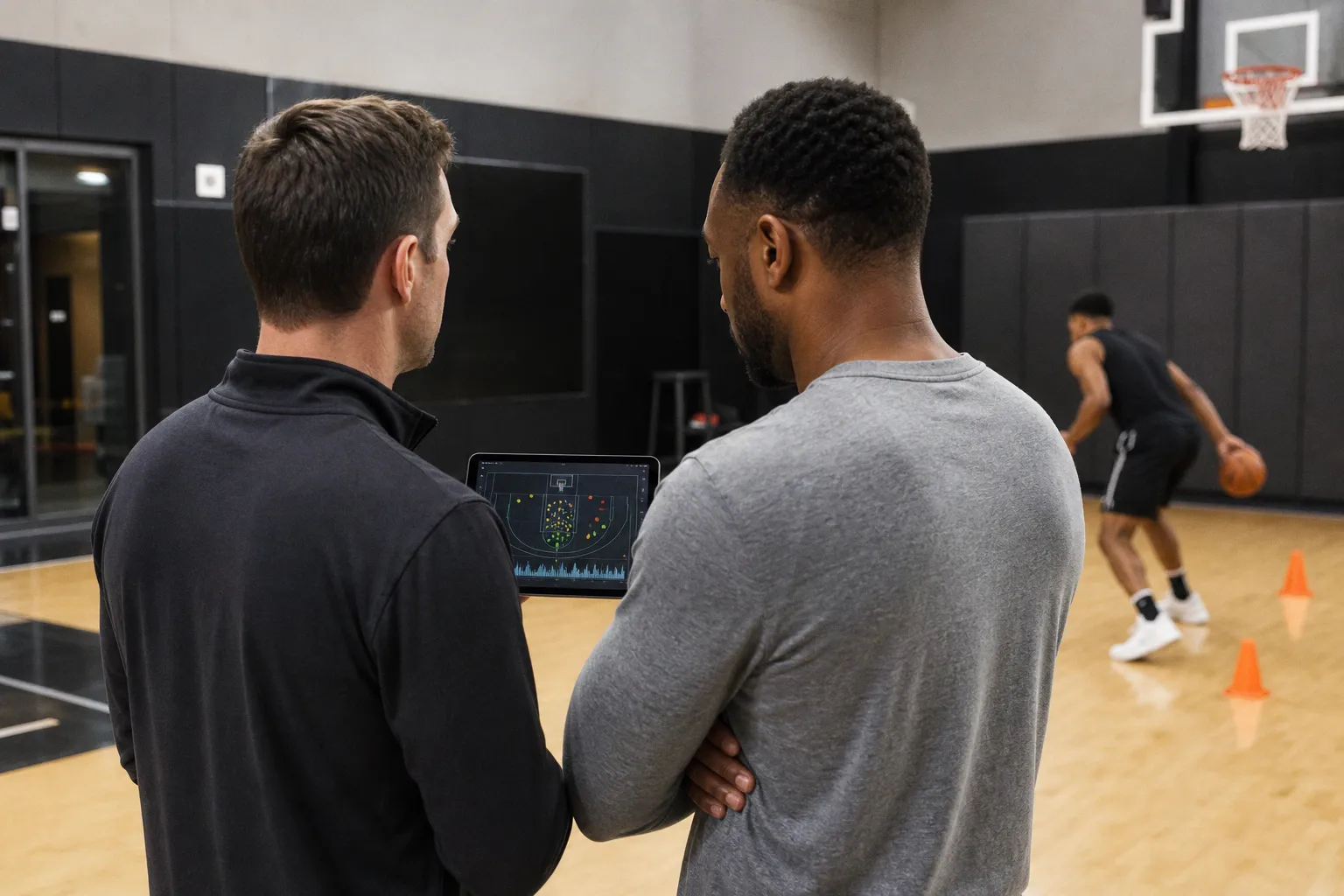
Tournament fever can be useful. Let it push you into a new macro-cycle, a weekly football session, or a sharper warm-up routine. Do not let it sell you a closet full of gear with zero field time attached.
Verdict: football’s biggest brands are moving from match-day memorabilia into daily-life products. Fans should use that energy, but stay ruthless: buy the gear that takes a beating, supports your work, and gets you back on the pitch.