Spain Finalizes World Cup Starting XI as Betting Markets Anticipate Record Activity
Spain have locked in their starting eleven for the 2026 FIFA World Cup final against Argentina — and the ripple effects extend well beyond the pitch at MetLife Stadium.
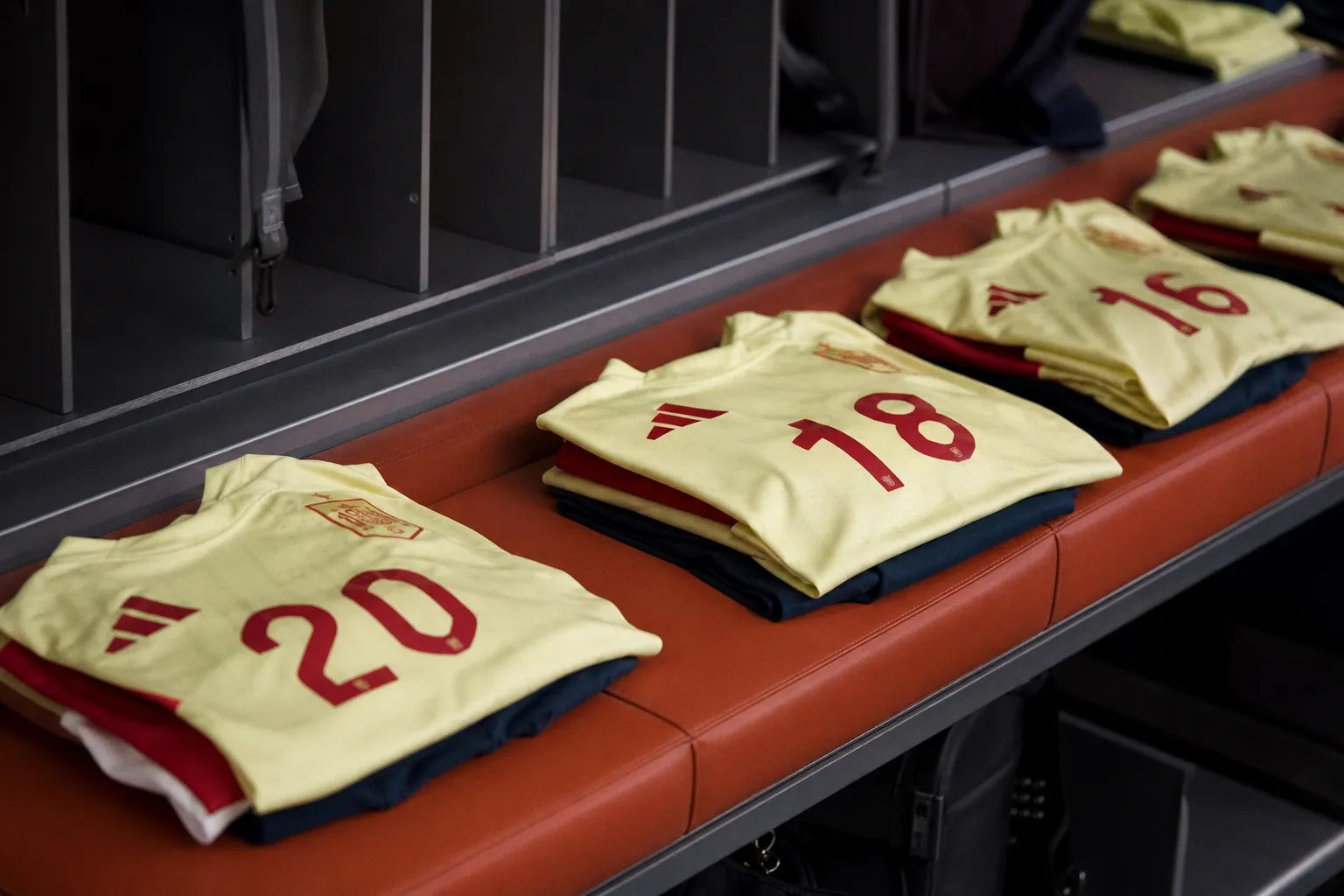
Coach Luis de la Fuente has fielded an unchanged lineup from the squads that dismantled Belgium in the quarterfinals and France in the semis, a signal of total system trust. Meanwhile, sports-betting platforms and fan-token markets tied to national teams are bracing for one of the highest-volume match days in the tournament's history.
De la Fuente's Structure: Unchanged and Uncompromising
The tactical blueprint is set. Unai Simón anchors the goal behind a back four of Pedro Porro, Pau Cubarsí, Aymeric Laporte, and Marc Cucurella. The midfield spine runs through Rodri and Fabián Ruiz — a double pivot built on positional discipline and progressive ball circulation. Ahead of them, Lamine Yamal, Mikel Oyarzabal, and Álex Baena form the attacking trident. Sixteen of the named squad members already carry a EURO 2024 winners' medal, which gives de la Fuente a core with tournament final experience built in rather than improvised on the fly.
Yamal is the standout data point. At 18, the Barcelona forward has been the generational talent anchoring Spain's attack throughout the knockout rounds, and his inclusion on the biggest stage underscores how quickly this side has been built around his movement patterns in the half-spaces. De la Fuente's refusal to rotate after the semis reads as a coach who trusts his starting unit's spatial chemistry more than any bench adjustment.
Fan Tokens and Betting Volume: The Market Layer
The match isn't just a sporting climax — it's a market event. Fan tokens tied to national football teams and major clubs, traded on platforms like Chiliz, historically see volume spikes around high-profile tournament fixtures. These tokens offer holders minor voting rights on team decisions and access to exclusive content, but their price action around match days is driven largely by sentiment and speculative flow rather than utility fundamentals.
The broader sports-crypto landscape has shifted dramatically since the Qatar 2022 World Cup, where exchange sponsorships dominated the perimeter boards. That tournament's heavy branding by now-defunct or scandal-hit platforms serves as a cautionary reference point for anyone tracking the intersection of crypto and football. Still, the fan-token segment remains active, and a World Cup final featuring a European heavyweight against Argentina guarantees attention across both betting and crypto-adjacent markets.
The 2030 Horizon: Where the Next Final Lands
Beyond tonight's fixture, a parallel contest is gathering pace — the decision on where the 2030 FIFA World Cup final will be played. Co-hosts Spain and Morocco are the leading contenders. Morocco is pushing its proposed Hassan II Stadium near Casablanca, designed for approximately 115,000 spectators, which would become the largest football venue in the world. Spain counters with the renovated Santiago Bernabéu in Madrid (80,000-plus capacity) and the redeveloped Camp Nou in Barcelona, expected to seat around 105,000.
FIFA has yet to confirm either venue. Royal Moroccan Football Federation president Fouzi Lekjaa has stressed that no decision has been reached, while Spanish FA president Rafael Louzán has argued that Spain offers the strongest logistical and organisational credentials. Spain previously hosted the World Cup final in 1982, when Italy defeated West Germany 3–1 at the Bernabéu. If Casablanca were selected, it would be only the second African city to stage a final after Johannesburg in 2010.
The outcome will shape scheduling, infrastructure investment, and the commercial footprint of the centenary tournament. For now, though, all eyes are on East Rutherford — and on how de la Fuente's unchanged eleven perform under the heaviest possible spotlight.