Big Tech Turns to Sports as AI Sentiment Sours
Sports has become Big Tech’s most legible interface for artificial intelligence. Seoul Economic Daily reports that only 16% of Americans in a Pew Research Center poll released last month expected AI…
Sports has become Big Tech’s most legible interface for artificial intelligence. Seoul Economic Daily reports that only 16% of Americans in a Pew Research Center poll released last month expected AI to have a positive social impact over the next 20 years; the response from technology companies is increasingly to put the product next to competition, performance data and familiar sporting narratives.
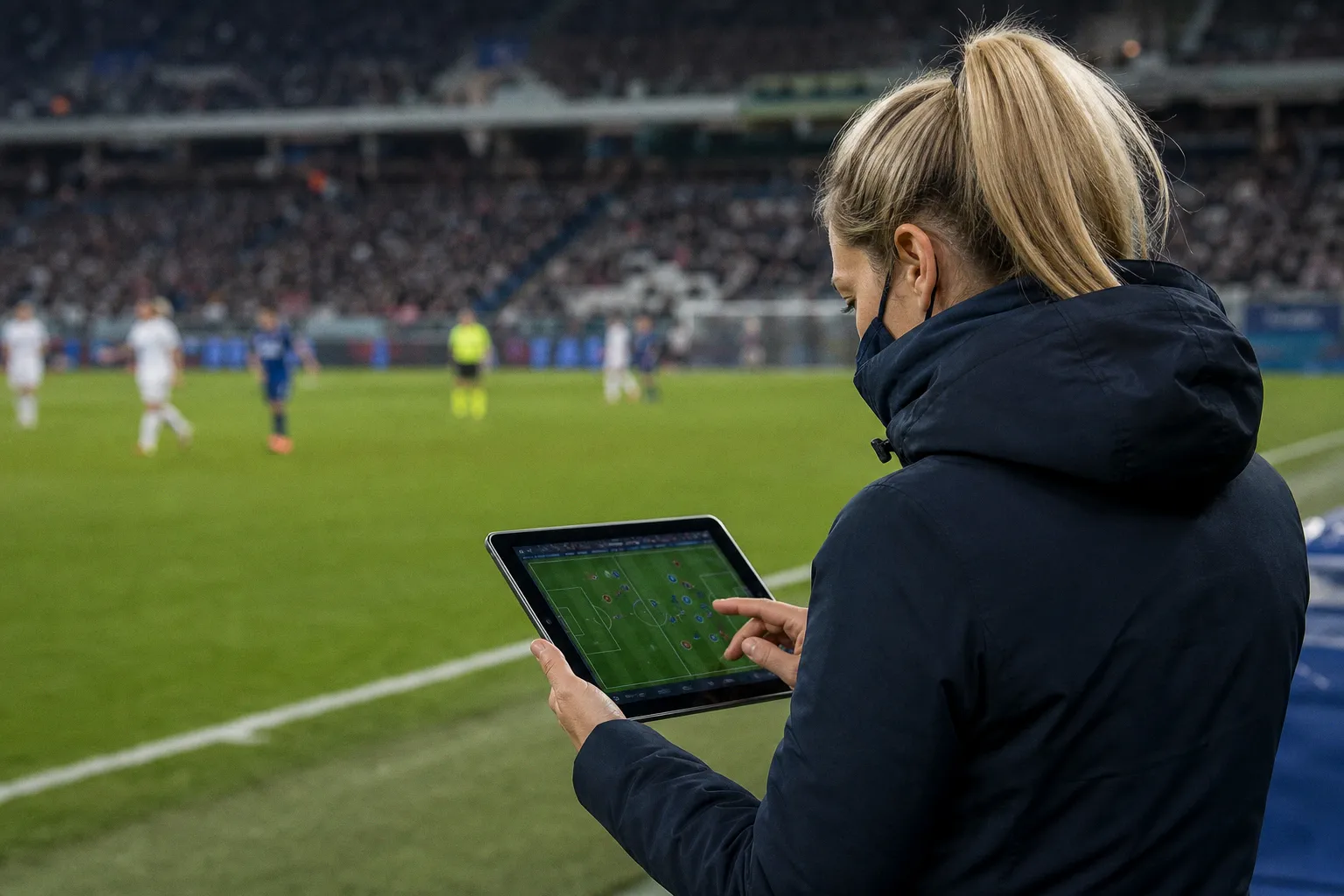
For football audiences, the relevant signal is not that AI is suddenly replacing coaching. It is that the tools are being marketed through the parts of sport fans already understand: video search, personalised feeds, low-latency decisions and marginal gains.
The matchday product is the entry point
At the Data + AI Summit 2026 in San Francisco, held from June 15 to 18, Fox used its booth to show North American World Cup matches while demonstrating customised content built with Databricks technology, according to the report.
The underlying stack—Databricks AI, Lakebase and Lakehouse platforms—is being used for millisecond-level search and recommendations. That is a viewer-side application, rather than a claim about changing the tactical game itself. But it points to the immediate direction of travel: the broadcast interface can surface the relevant clip, player or sequence faster than a conventional archive.
For a football viewer, the useful test is straightforward. A recommendation engine has value when it reduces the time between a question—how did a team create an overload, where did a winger receive, which phase preceded a shot—and the footage needed to examine it. Personalisation alone is not analysis. The better measure is whether it improves access to the actual match evidence.
Motorsport supplies the clearest performance case
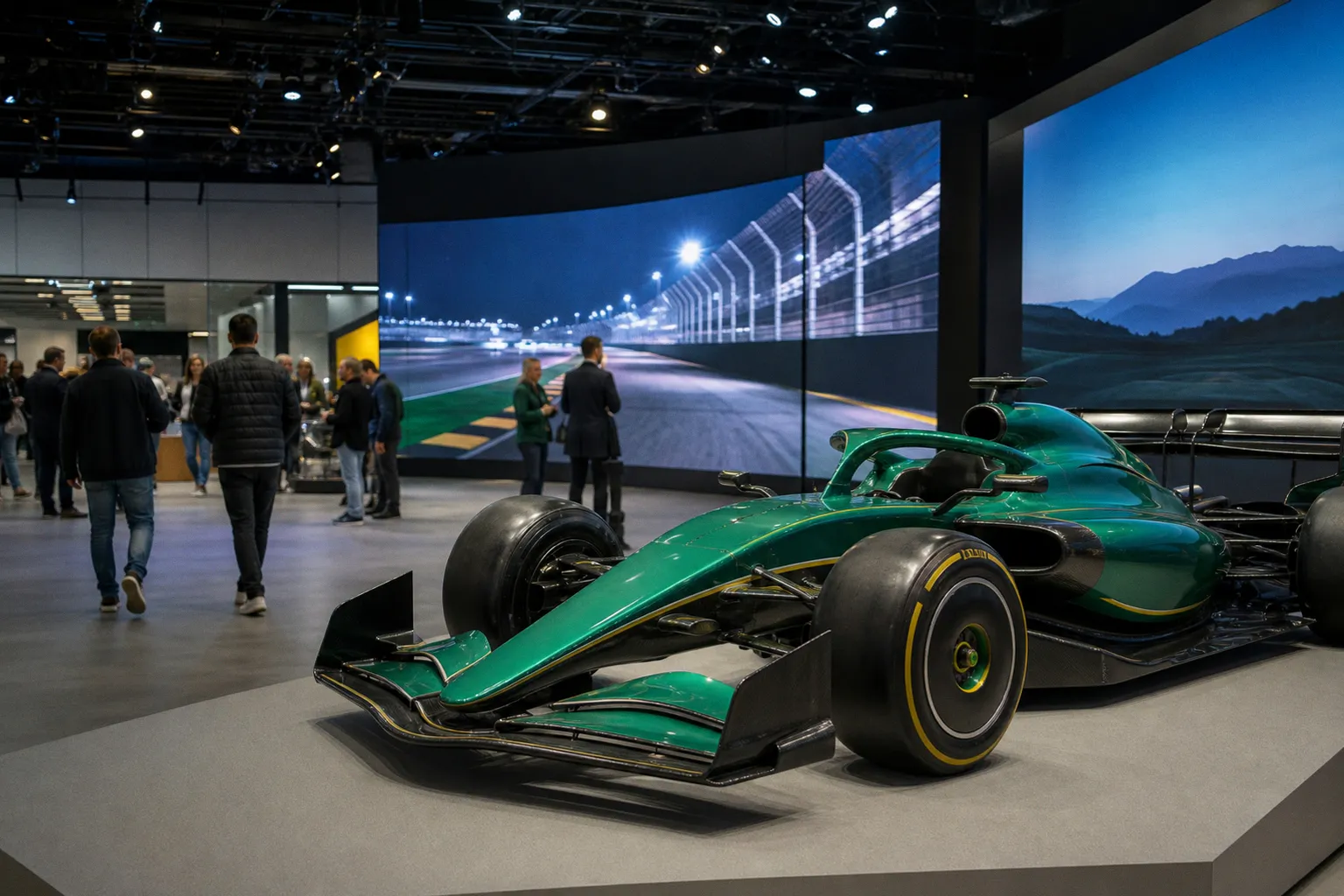
The strongest examples in the report come from Formula One, where the margins are explicit. Aston Martin Aramco displayed a racing car at ServiceNow’s K26 event in Las Vegas, held May 5–7. The team has used ServiceNow technology since 2023 in IT service management, establishing a system intended to identify trackside problems quickly, rank them by importance and help design and safety personnel respond.
McLaren Racing also signed a partnership with Intel in May. Seoul Economic Daily says Intel’s Xeon and Core Ultra processors support AI workloads, low-latency edge computing and software platforms that McLaren uses to analyse data and shorten lap times. The operational case is precise: reduce computational delay, manage workload and improve real-time decision-making where milliseconds can decide the result.
Football does not map cleanly onto F1. A match has fewer repeatable conditions, more players sharing decision rights and a far less controlled environment. Still, the sequence is familiar to any analyst: collect event and video data, identify a problem, prioritise the relevant pattern, then deliver it to the person making the next decision. The technology is useful only if that last handoff is clear.
Sports marketing is also expanding beyond traditional broadcasts, as shown by S8UL’s participation across 13 Esports World Cup titles. The common asset is not a single sport; it is an audience already comfortable reading performance through competition.
What to watch instead of the branding
The near-term football question is not whether an AI label appears on a sponsorship board. It is whether a platform can make film review more searchable and recommendations more relevant without obscuring the evidence behind them.
The practical standard should remain clinical: can the tool retrieve the right sequence, preserve context and support a faster, better-informed decision? Fox’s World Cup demonstration and the F1 partnerships indicate where companies see the commercial route. The ceiling is high for systems that turn fragmented match data into usable video and decision support; the proof will be in repeatable workflow gains, not the size of the logo on the event.