World Cup 2026 quarterfinals: Full schedule and Egypt FIFA dispute
The 2026 World Cup quarterfinal field is set: France, Morocco, Norway, England, Spain, Belgium, Argentina and Switzerland are through, according to Al Jazeera.
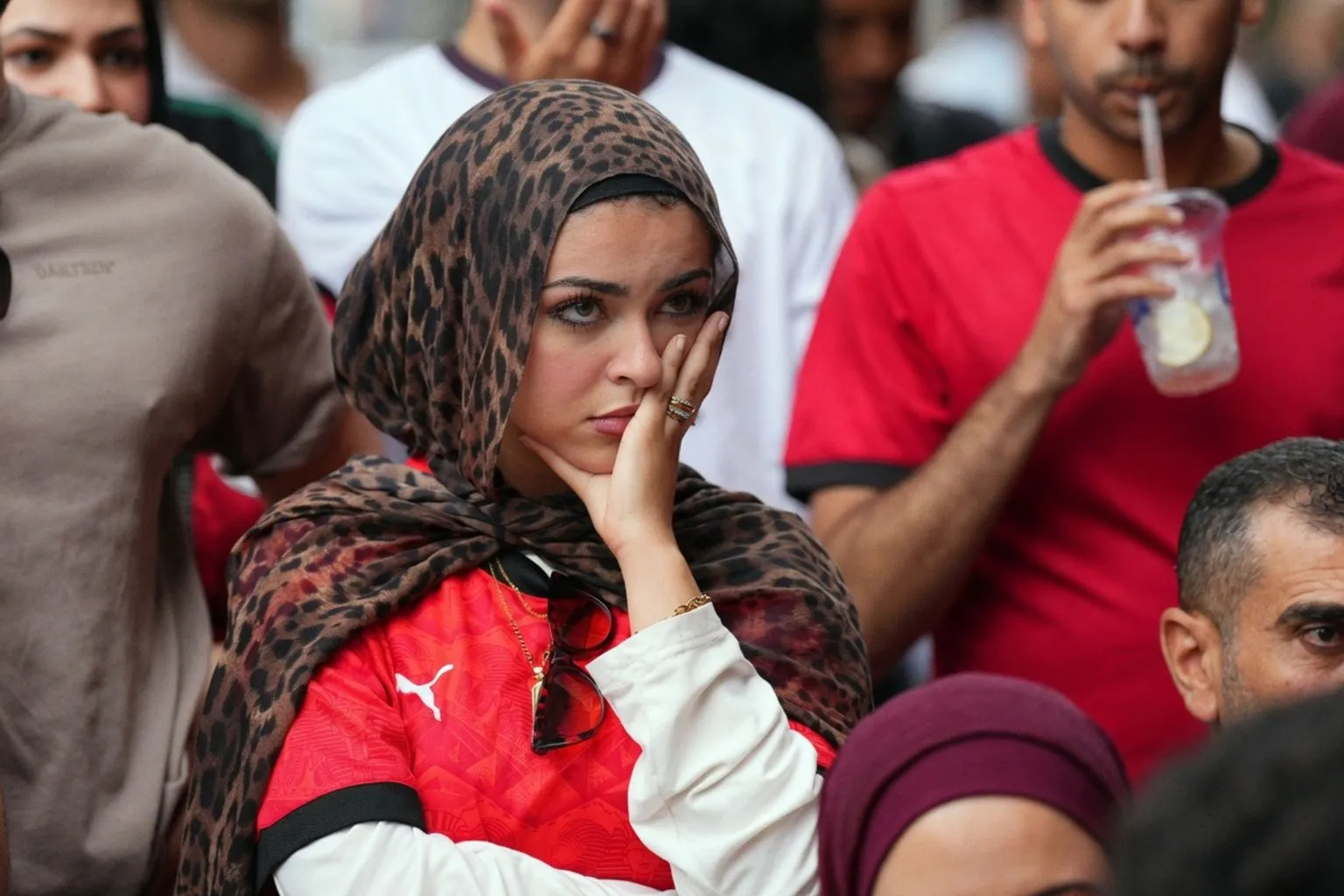
Quarterfinal field: eight teams, four pressure models
The last-eight lineup gives the tournament a broad tactical spread rather than a single dominant template. France, England, Spain, Belgium and Argentina bring familiar elite-possession and transition profiles; Morocco and Switzerland add compactness, duel management and controlled risk; Norway’s presence changes the physical and vertical reference points of the bracket.
Al Jazeera reports that the round of 16 included late comebacks, penalty shootouts and major upsets. That matters because quarterfinal preparation is rarely built on ideal game scripts. Teams now have to plan for multiple match states: protecting a lead, chasing after a VAR reversal, managing extra emotional load after penalties, and keeping structure when the opponent abandons its base shape.
The actual lesson for coaches is simple: the quarterfinals are no longer just about best XI versus best XI. Usage rate of key attackers, recovery windows after high-stress knockouts and decision-making in the half-spaces will all carry more weight than headline form. In this phase, the team that loses spacing for ten minutes can lose the match.
Egypt’s dispute puts VAR and momentum under the microscope
The major flashpoint is Argentina’s 3-2 comeback victory over Egypt in the round of 16. Al Jazeera reports that Egypt’s defeat in Atlanta was overshadowed by a late VAR intervention that disallowed Egypt’s second goal, after which Argentina completed the comeback and advanced.
Egypt head coach Hossam Hassan accused FIFA of favouring the defending champions and suggested officials were under pressure to keep Lionel Messi in the tournament. That is an allegation, not a settled finding. From a tactical-analysis point of view, the more measurable issue is the momentum swing: a disallowed goal changes line height, pressing appetite and risk tolerance immediately. A side that expected to defend a lead may suddenly have to rebuild its attacking rhythm while absorbing the psychological cost of a reversed decision.
The dispute also sits inside a wider officiating conversation. FIFA had already faced criticism after rescinding USA striker Folarin Balogun’s red-card suspension following a public request from US President Donald Trump. Balogun then returned for the USA’s round-of-16 defeat to Belgium. Separately, two USA staff members — team manager Sam Zapatka and US Soccer Federation Vice President of Security Frank Pannell — were suspended by FIFA from the Belgium match, with no detailed reason given publicly by FIFA or USSF beyond USSF saying it was not related to Balogun’s case.
What elite teams should actually take from this
For quarterfinal teams, the practical takeaway is not to litigate every whistle in public. It is to train the disruption phase. That means rehearsing restarts after VAR delays, assigning one or two players to manage referee communication, and keeping the defensive block intact when the bench and crowd react before the back line does.
This is also where tournament staff earn their value. Analysts should tag not only shots and xG chains, but stoppage events: how long the team takes to restore spacing, whether the midfield line drops too early, and which players force low-percentage actions after controversy. Those are correctable behaviours.
A separate report from sify.com points to the technology inside the 2026 World Cup ball, the Trionda. With no further technical detail available in the provided source text, the safe read is only that equipment technology is another variable teams will keep monitoring. At this level, even small changes in ball response can affect set-piece calibration, crossing weight and goalkeeper timing.
The ceiling for the remaining contenders will be set by more than star quality. The quarterfinals are now a test of tactical stability under external interference: VAR reviews, disciplinary reversals, political scrutiny and compressed knockout pressure. The teams that can keep their structure after the game state mutates will have the cleanest path forward.
More from the feed
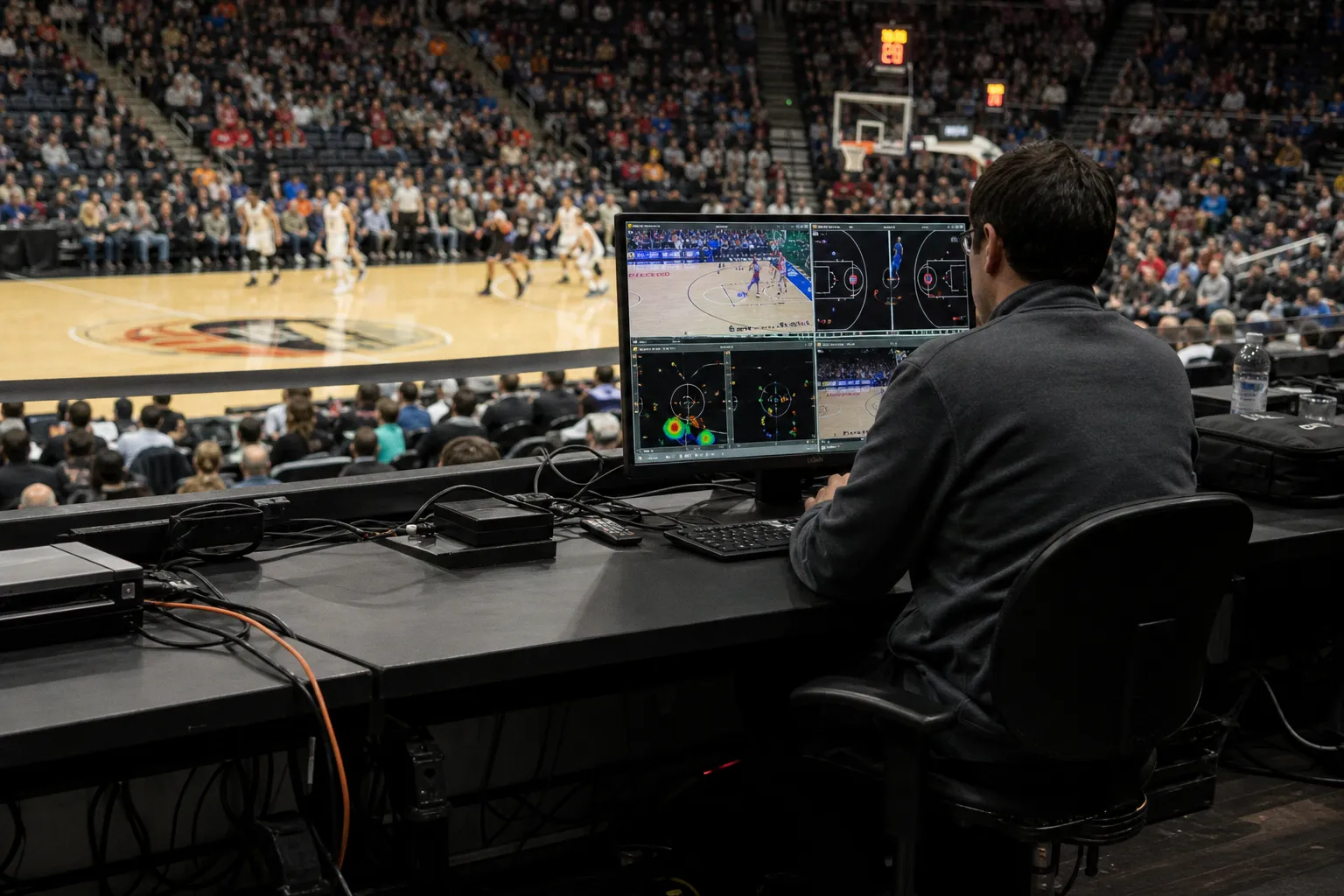 Sports analytics market to hit $9.64B by 2030, driven by AI, real-time tracking, and fan engagement.
 Top 100 World Cup Moments, Ranked
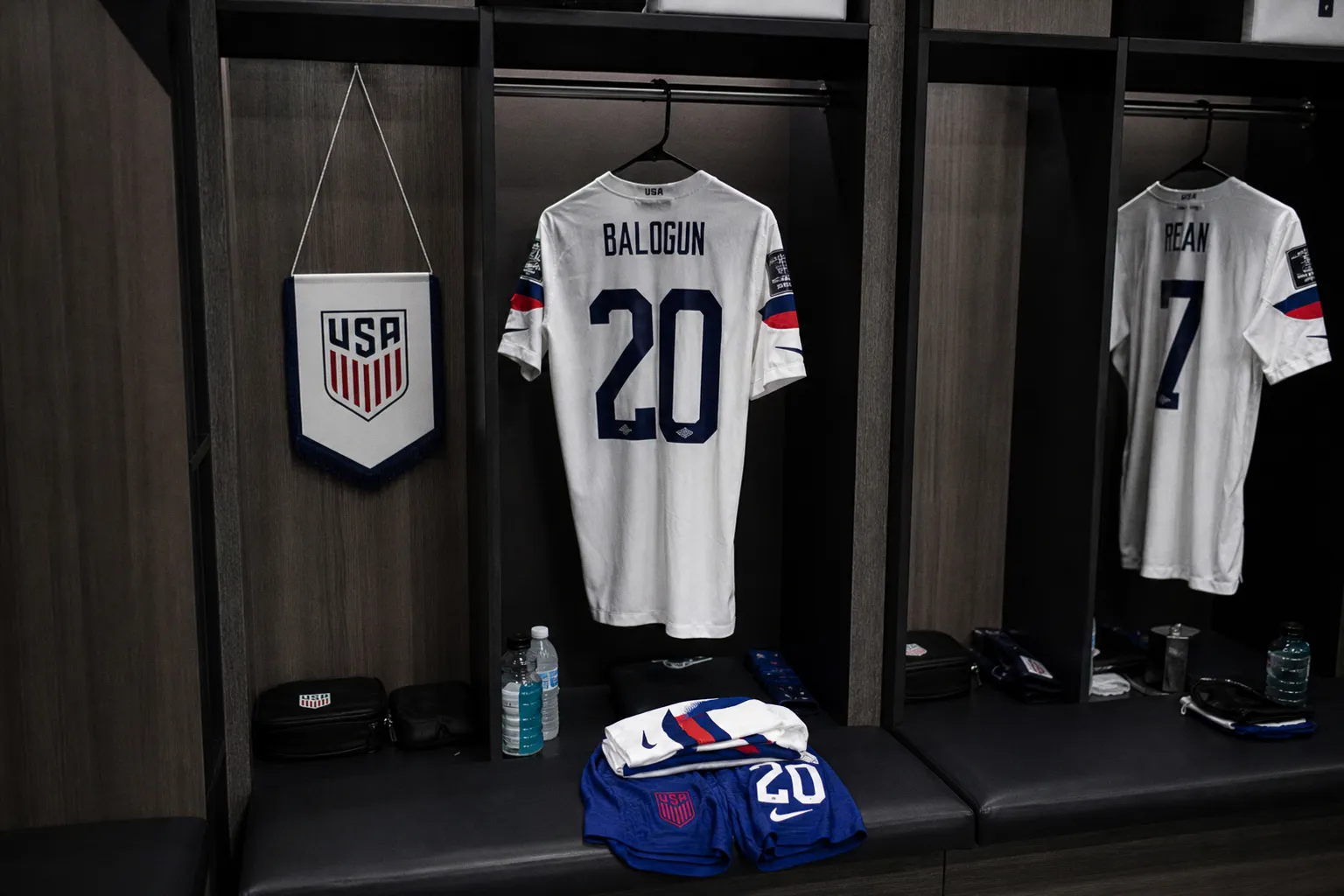 Balogun was star of USMNT’s feel-good World Cup. Now? The unwitting face of its controversy - The Athletic
 Badminton and Tennis Market Trends | Forecast & Strategic Outlook