World Cup Teams Are in a Race for AI Dominance
FIFA’s tracking will log roughly 150 million data points per match at the 2026 World Cup, with in-ball sensors capturing 500 movements per second. This isn't noise; it's the raw footage of a new tactical arms race.
The Analytical Backline
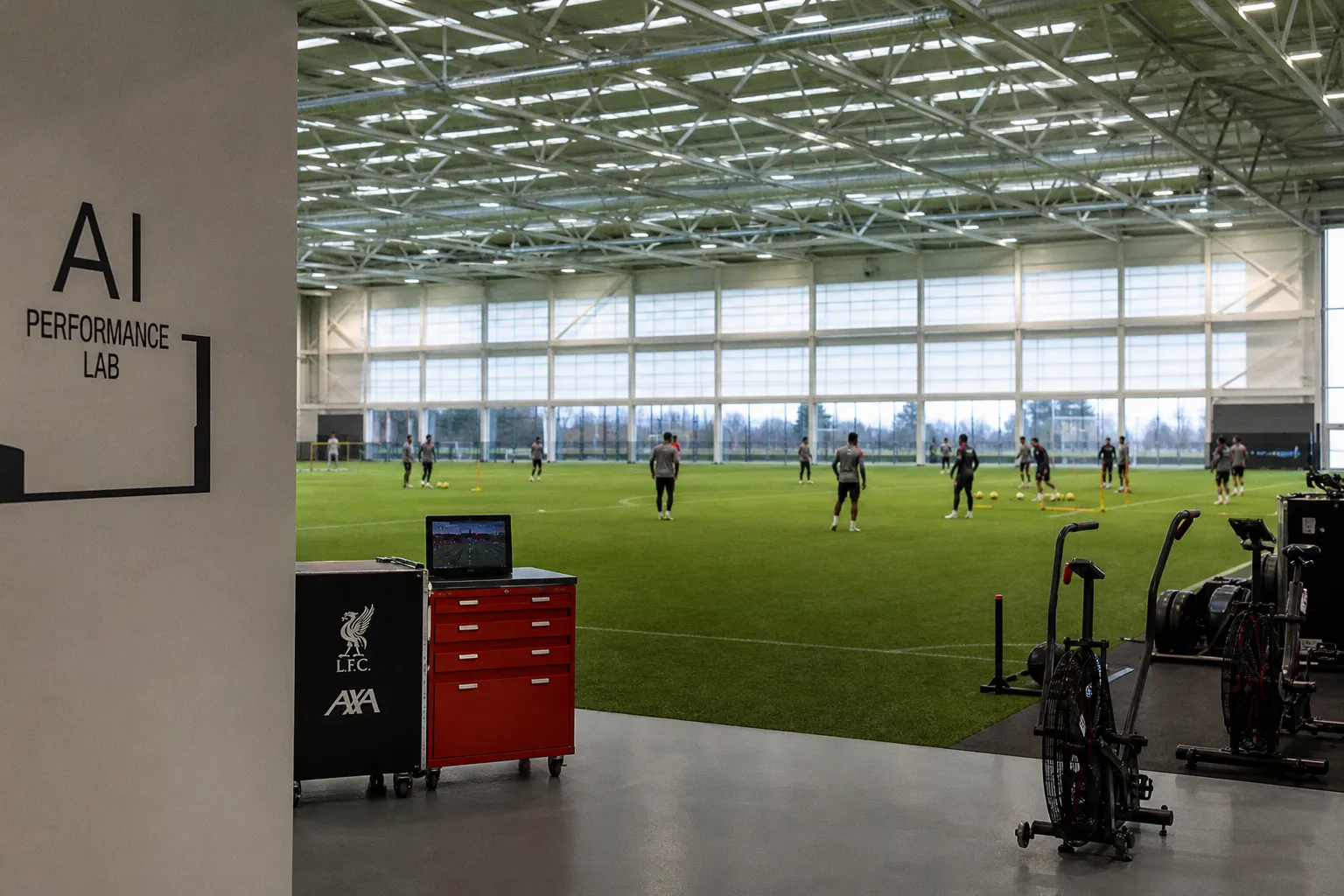
National federations are leveraging AI not for marginal gains, but for foundational work. The analysis of potential opponents, a task Marcelo Bielsa’s staff once estimated at 300 hours per team, can now be automated. England’s Football Association, as reported, is using AI to distill penalty analysis from a five-day project into a five-hour sprint—a critical efficiency in knockout preparation.
The data’s multi-agent, adversarial nature is what makes it so complex and valuable. As Stats Perform’s chief scientist notes, the permutations within a single team’s formation exceed the number of atoms in the universe. Smaller associations are innovating within this space out of necessity. Curaçao’s historic qualification was underpinned by “diaspora tracking”—using geospatial data and eligibility mapping to build a competitive squad from a talent pool largely born in the Netherlands. This is AI applied to squad composition and scouting logistics, not just in-game tactics.
The Second Screen as a Data Terminal
For the audience, the analysis layer has moved from the coaching room to the palm of their hand. Platforms like FotMob, now serving 20 million monthly users, function as real-time tactical hubs. During upsets like Germany’s Round of 32 exit to Paraguay, the service provided context a simple scoreline could not: Germany’s 1.49 xG from 21 shots, versus Paraguay’s defensive output measured in clearances and structure.
This represents the democratization of granular data. Fan engagement is no longer about emotional reaction alone; it’s about validating observations with immediate metrics. The “second screen” is now a primary analytical terminal, where expected goals (xG) and spatial maps help deconstruct the chaos of tournament football.
The Trajectory Forward
The integration of bespoke AI agents, like the one provided by FIFA and Lenovo, is an attempt to standardize access to this analytical firepower. Whether it levels the competitive field remains unproven, but it solidifies a new baseline. The future of preparation and fandom is inextricably linked to parsing these 150 million data points—finding the signal in the noise that separates a tactical plan from a tactical outcome.
More from the feed
 Cape Verde Stuns World Cup Giants With Tactical Discipline Matchday Five Upsets
 Sports Drink Market to reach USD 22 Billion by 2031 at 4.8% CAGR
 Ishaan Khatter appears across TV and CTV, Rohit Sharma leads sports celebrity ads in IPL 19
 The Anatomy of the World Cup Round of 32 Tournament Logistics Tactics and High-Stakes Knockout Dynamics