How AI-Driven Analytics Are Revolutionizing Professional Sports Performance
Five Reasons Sports Network flagged this one: AI is now processing match data faster than any human crew ever could, across football, basketball, tennis, combat sports — all of it.
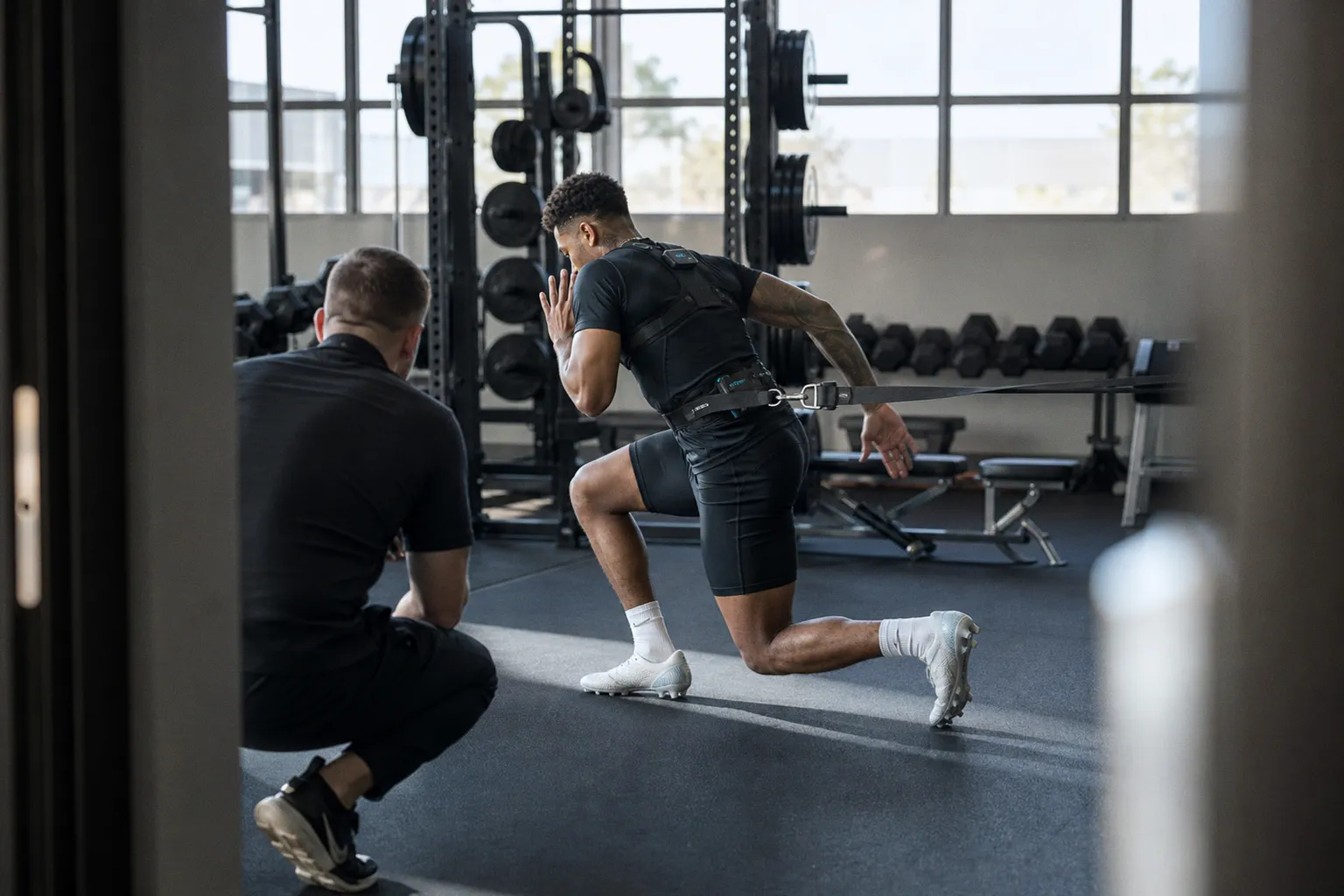
XO Sports: How AI Is Transforming Sports Performance Analysis
What used to take hours of manual video scrubbing? Automated. Key events flagged, movement tracked, formations measured, statistical summaries generated on the fly. For anyone grinding in the gym or prepping for competition, this matters. It means feedback loops are tightening. Coaches aren't guessing anymore. Athletes aren't waiting until next season to figure out what went wrong.
What's Actually Changing in the Trenches
Here's the blunt version. AI systems now handle the grunt work that used to eat entire coaching staffs alive:
- Movement tracking across full matches — not just highlights
- Passing sequences and possession detection without manual tagging
- Spacing and formation analysis in real-time
- Scoring chance identification that catches what sideline eyes miss
- Statistical summaries without someone burning hours on spreadsheets
This frees coaches up to do what humans actually do well: interpret. Read the fighter's body language. Sense when the gas tank's fading. Data tells you what happened. Smart coaches still figure out why.
Why This Hits Different for Athletes
Every athlete learns differently. Different strengths. Different breaking points. Generic programs? Garbage in, garbage out.
AI-driven analysis flips that. If you're losing speed late in rounds — conditioning shifts to target endurance specifically. Not some cookie-cutter macro-cycle. Passing accuracy, defensive positioning, reaction times under fatigue — all trackable over time. Real feedback. Real benchmarks. Goals that actually mean something because they're built on how you move, not some theoretical average.
The Verdict
This isn't hype. AI performance analysis is already here, already working, already separating athletes who adapt from those who don't. The edge isn't in having more data — it's in having data that actually reflects your body, your patterns, your breaking points.
One caveat: garbage sensors and sloppy camera angles still produce garbage output. The tech is only as good as the hardware feeding it. But the direction is locked in. Anyone serious about competition — from weekend sparring to elite level — needs to pay attention.