How Digital Content Creators Are Reshaping Football Sponsorships
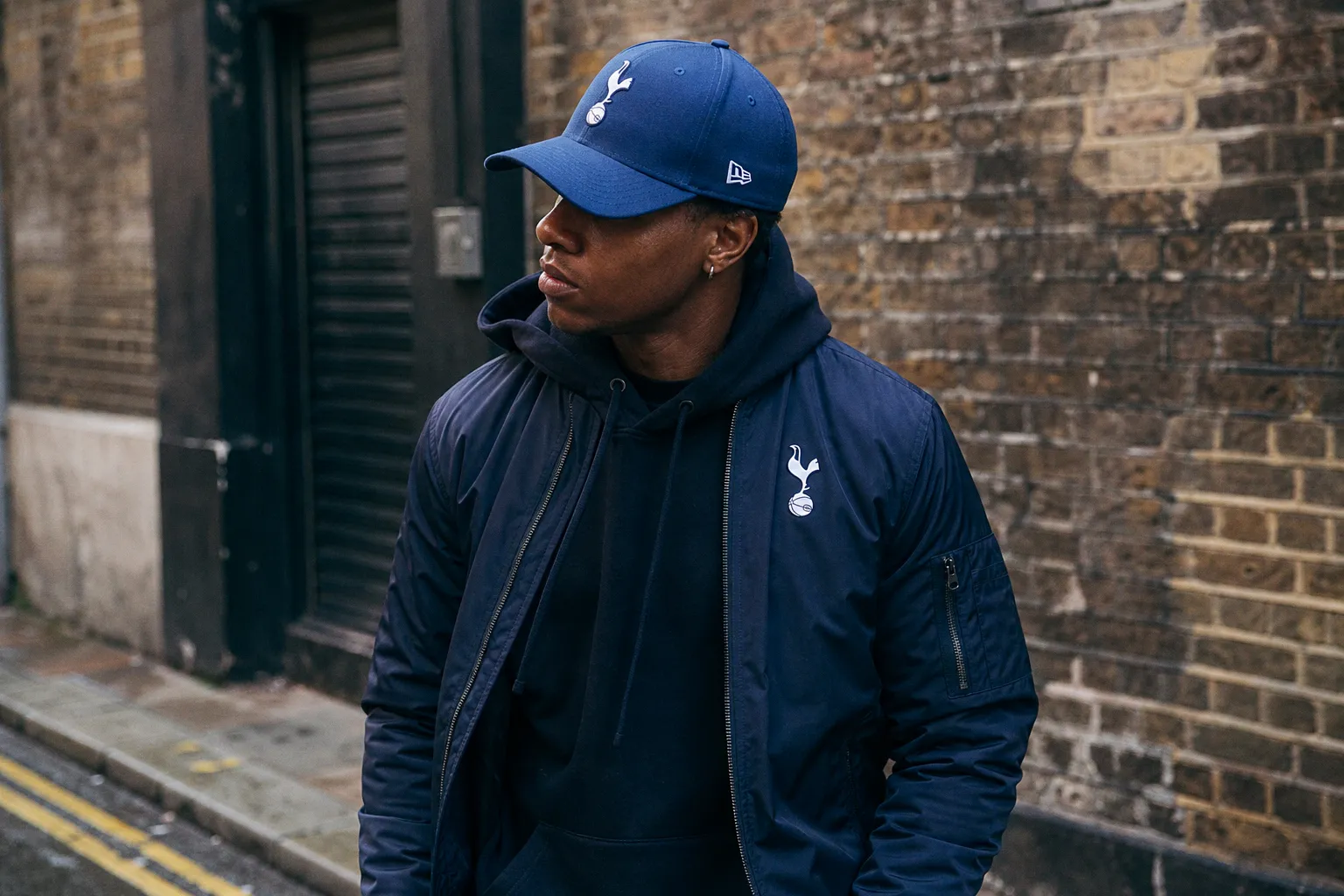
The endorsement playbook in professional football has been fundamentally rewritten. Content creators, not just elite players, are now commanding major sponsorship budgets due to superior audience engagement metrics.
This seismic shift in the commercial landscape is particularly acute as the 2026 FIFA World Cup approaches, forcing players and agents to adopt new offensive strategies for personal branding.
The Commercial Shift: From On-Pitch Visibility to Digital Engagement
The traditional model was straightforward: brand value derived from match performance, global fanbases, and visibility on the pitch. A decade ago, player endorsements dominated the landscape. That spatial dominance has been broken. Football content creators—names like The F2 Freestylers, Ben Black, and Chunkz—have built careers by mastering the digital half-spaces, capturing audience attention with high-frequency, personality-driven content. Their value isn't measured in goals or assists, but in watch time, comment section loyalty, and viral hit rate. A creator with 800,000 highly engaged followers can now deliver a better return on investment for a brand than a player with 10 million passive ones. The key metric has become how an audience reacts, not just who the athlete is.
System Under Pressure: Player Branding Requires a New Game Plan
This isn't a call for every footballer to become a TikTok choreographer. It's a tactical adjustment in off-pitch positioning. Players who understand the new system recognize that performance builds credibility, but consistent, authentic content builds a loyal audience. The modern commercial athlete must operate with a media strategist's mindset. This involves a clearer definition of personal brand, consistent content cadence, and an understanding of platform-specific algorithms—essentially, managing their own "usage rate" in the attention economy. Those who ignore this systemic shift risk being overshadowed not by better footballers, but by sharper storytellers who execute their digital game plan with precision.
2026 World Cup Catalyst: A Year to Reposition
With the next World Cup eleven months away, the tournament acts as a global spotlight magnifying this commercial tension. It's the ultimate stage where player visibility spikes, but so does audience demand for behind-the-scenes access, personality reveals, and non-match content. The creators who thrive will be those who maintain a relentless posting frequency throughout the cycle, not just during the tournament itself. For players, it presents a critical window. Those who invest in their digital positioning now, using the World Cup build-up as a content catalyst, can bridge the gap. The projection is clear: athletes who merge elite on-field output with a deliberate, data-informed content strategy will secure the next generation of brand partnerships. The rest will find the competitive space in their own commercial half-spaces increasingly crowded.