How America’s Sports Systems Build Champions and Industries
A fighter does not get built by vibes. Same for a quarterback, a point guard, or a tennis prospect grinding through a long season.
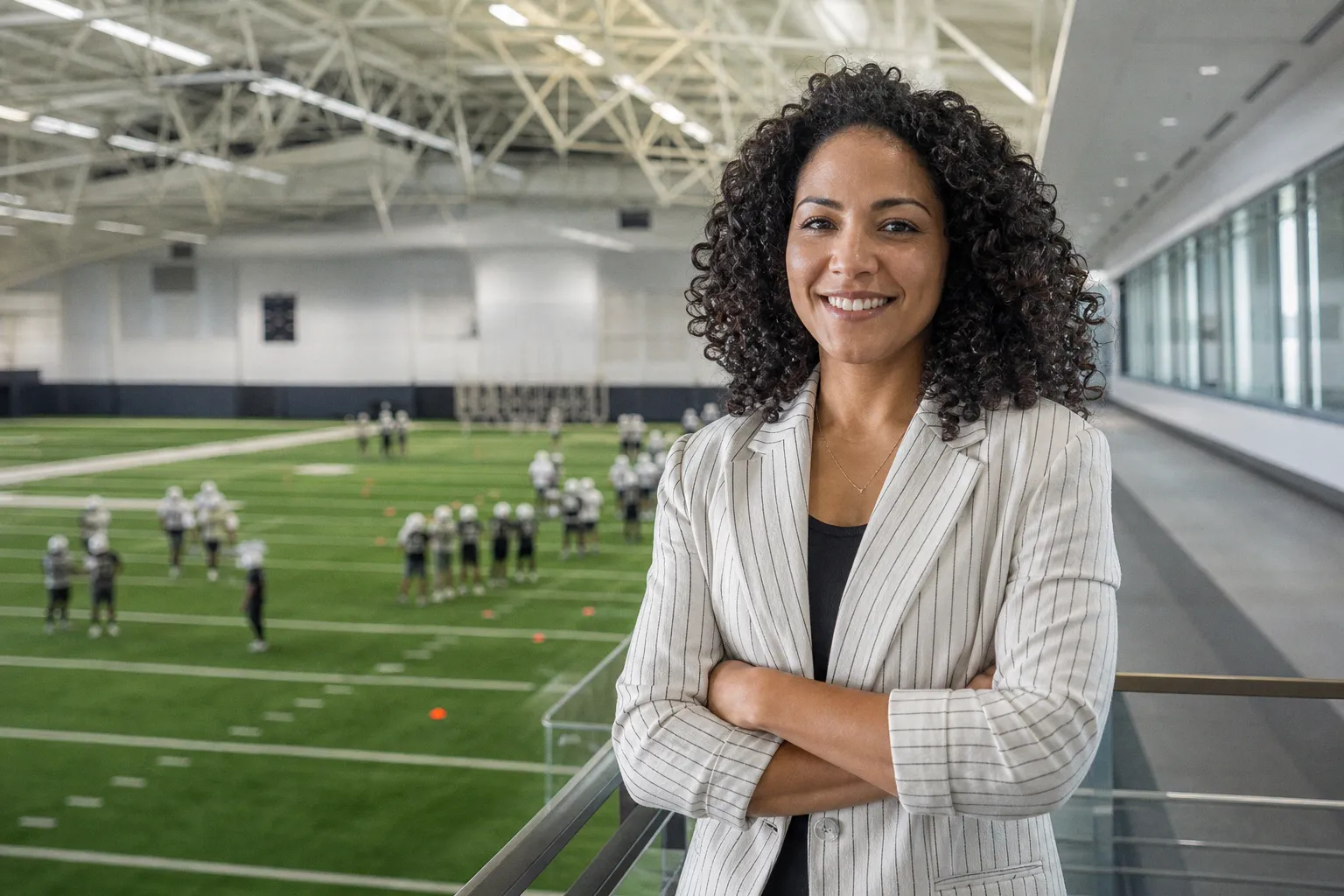
The real engine is the pathway
The sharpest detail comes from Vaidehi Vaidya, a Global Sports Mentoring Program alumna, speaking during a hybrid session in Bhopal organized by the U.S. Consulate Mumbai. Her point was simple and heavy: American sport is not just medals and match day. It is a system.
She described the U.S. model as “structured, scientific, and professional.” That matters. In fight terms, it is the difference between random hard sparring and a real macro-cycle. One burns you out. The other builds your gas tank, timing, and durability.
The model she described runs through:
- school teams;
- college programs;
- professional leagues;
- sports science;
- coaching;
- data analysis;
- management;
- support networks.
That is not glamorous. It is not a highlight reel. But it is where long careers get made.
For UFC, NBA, football, and tennis prospects, the takeaway is blunt: talent needs scaffolding. A monster athlete without coaching, recovery structure, education, and career planning is just a fast-burning match. The American system, as presented in the session, tries to keep that match lit longer.
Colleges are moving where the money and jobs are
Inside Higher Ed reports that colleges and universities are shifting academic offerings because the sports industry keeps expanding. The report says the global sports economy is expected to reach $3.7 trillion by 2030, while the sports and entertainment sector is expected to add nearly 100,000 jobs annually through 2034.
That is not just front-office fluff. It changes the ecosystem around athletes.
At least 10 colleges and universities plan to launch sports business and management-related programs this fall, including American University, Indiana University Indianapolis, Washington University in St. Louis, and the University of Wisconsin–Stevens Point. Other programs have already appeared in recent years at Georgetown University, Vanderbilt University, Chatham University, and Cleveland State University.
American University’s example is useful. Its sports management specialization sits inside the Kogod School of Business as a 15-credit track in a business and entertainment major, enrolling 25 to 30 students per year. Students can shadow athletic staff and leadership, work on sporting events, and access internship opportunities with local sports teams.
That is the part fans miss. Athletes do not operate alone. Behind every clean camp, smart contract move, recovery plan, and media push is a crew. Finance people. Analysts. Event staff. Operations. NIL and salary-cap minds. The better that crew gets, the better the athlete’s runway can get.
What athletes and coaches should steal from this
Do not romanticize the machine. Copy the useful pieces.
If you train fighters, football players, hoopers, or tennis athletes, the lesson is not “move to America and hope.” The lesson is structure. Build the room like a system, not a motivational poster.
What I would take straight into the gym:
- map the athlete’s path beyond the next bout, game, or tournament;
- treat school and college programs as development hubs, not distractions;
- use sports science and data where it actually changes training decisions;
- make coaching, recovery, and career support talk to each other;
- prepare athletes for the business side before the business side hits them in the jaw.
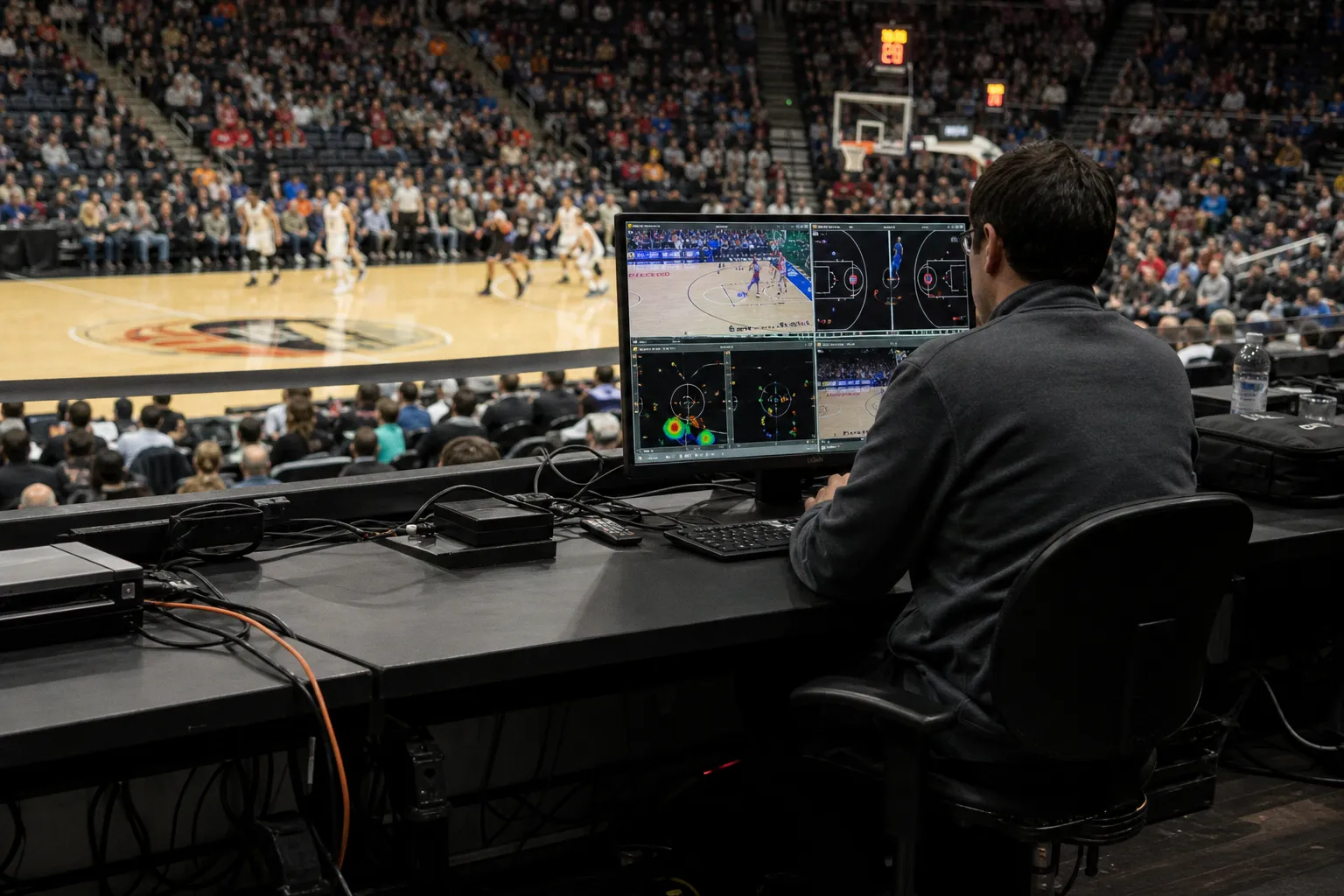
The other reports in the cluster point to the same gravity: global sports assets are being discussed around the FIFA World Cup 2026, and the sports replay system market is being analyzed through 2036. Even with limited detail in those snippets, the direction is clear enough. Sport is becoming more technical, more commercial, and more professionally supported.
That does not replace sweat. Never has. Never will.
But sweat without a system leaks everywhere. The hard verdict: America’s sports model is not magic — it is infrastructure. For athletes and coaches, that is the usable part. Build the pathway, support the body, train the brain, and stop pretending raw talent can carry the whole fight.