Klopp and DFB close to Germany deal after World Cup
Reportedly, Jürgen Klopp and the DFB are close to an agreement that would install the former Liverpool manager as Germany's head coach once the 2026 FIFA World Cup concludes.
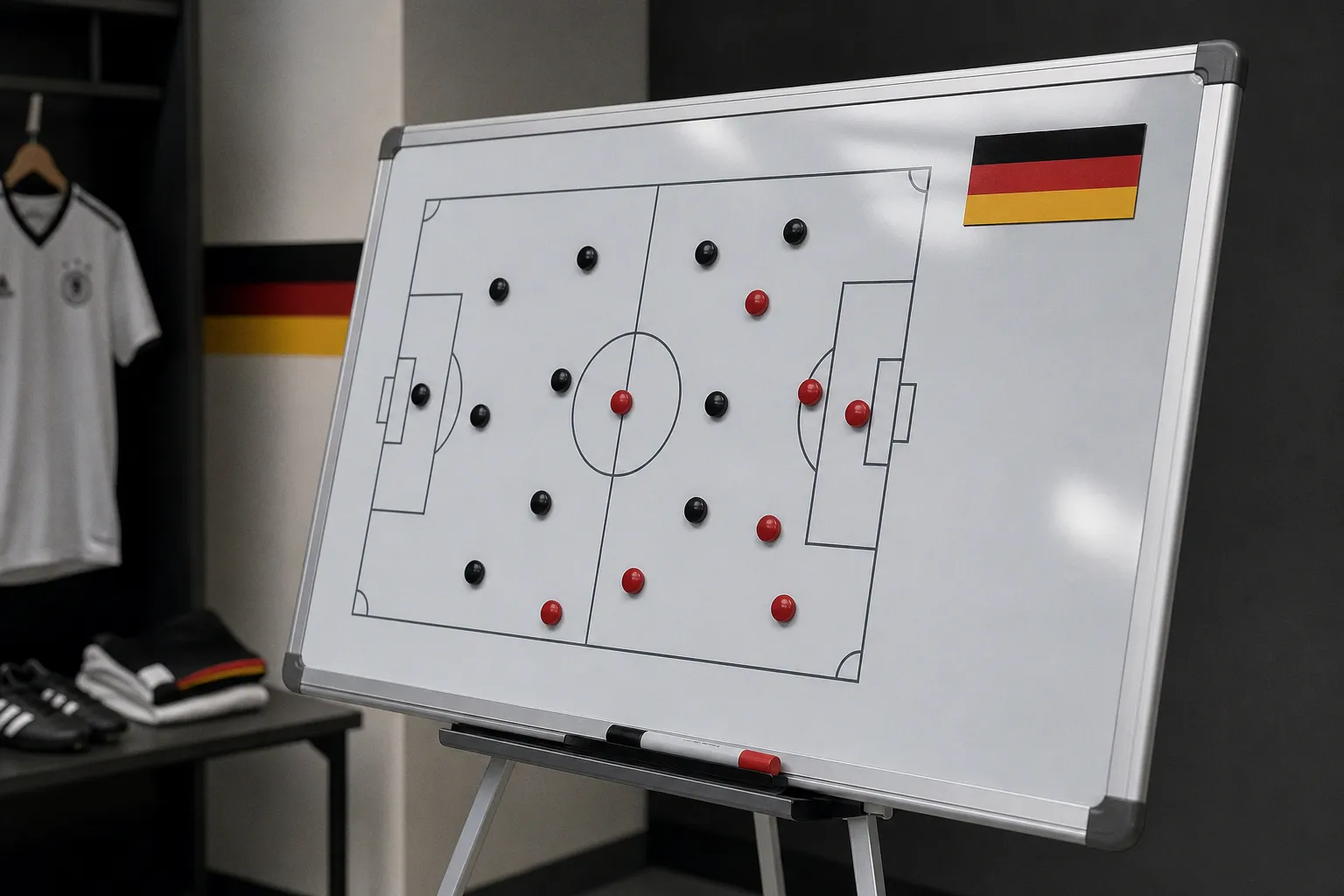
System Translation: Gegenpressing Under Camp-Window Constraints
Klopp's coaching fingerprint is well-documented across 3,400+ minutes of Premier League and Champions League data: coordinated high pressing, aggressive spatial compression in the opponent's build-up third, and a defensive line calibrated for offside-trap execution rather than deep-block containment. At Anfield, that model thrived on daily training repetition, full squad availability, and meticulous opponent-specific preparation windows.
International football strips away most of those rehearsal conditions. Camp windows are measured in days, not weeks. Squad chemistry is rebuilt every international break. The pressing intensity metrics that defined Klopp's Liverpool — often ranking top-three in the league for pressures in the attacking third — are difficult to replicate without the training volume that sustains them. Germany's recent tournament campaigns have exposed a different vulnerability: transition defence. Their post-possession xGA spikes in knockout rounds have pointed to structural disorganisation during the 3–5 seconds after losing the ball — precisely the phase Klopp's counter-pressing triggers are designed to neutralise. The fit is logical on paper; the execution question is whether enough training time exists to embed it.
The Post-World Cup Timing Is the Tell
That the reported deal targets a post-tournament start date is itself a strategic signal. The DFB appears unwilling to destabilise the current camp structure mid-cycle, preserving short-term operational continuity while positioning for a longer-term system overhaul. It's a calculated move — one that treats the 2026 World Cup simultaneously as a competitive objective and a player-evaluation window under the existing regime.
For Germany's senior player pool, the implications are specific. Klopp's historical selection criteria at club level were ruthlessly profile-driven: pressing intensity, half-space spatial awareness, recovery sprint volume, and the willingness to execute coordinated defensive triggers without the ball. Players whose statistical profiles don't align with that system — regardless of name recognition or caps — may find themselves outside the rebuild frame by the time the first international break under new management arrives.
What the Contractual Details Will Reveal
Until the agreement is formally confirmed, this remains a reported framework in principle. The variables worth monitoring include the DFB's post-tournament review timeline, any performance-linked clauses tied to World Cup results, and — critically — whether Klopp's backroom staff specifications have been finalised. Coaching staff composition at international level often determines whether a tactical system can actually be implemented within limited camp windows; the assistant coaches and analysts who handle day-to-day preparation between camps are the infrastructure that makes the system viable.
If the appointment is confirmed, the first meaningful data window opens during Euro 2028 qualifying. National team system overhauls typically require 18–24 months of integration before measurable tactical output stabilises — a timeline that places the real evaluation point well beyond the initial announcement. Strategic recalibration, whether it's a major overhaul of a network's lean architecture or a football federation redefining its tactical identity, lives or dies in the gap between declaration and implementation. The metrics will tell the story. The announcement alone tells us nothing.
More from the feed
 Macron Visits French National Team Before 2026 World Cup
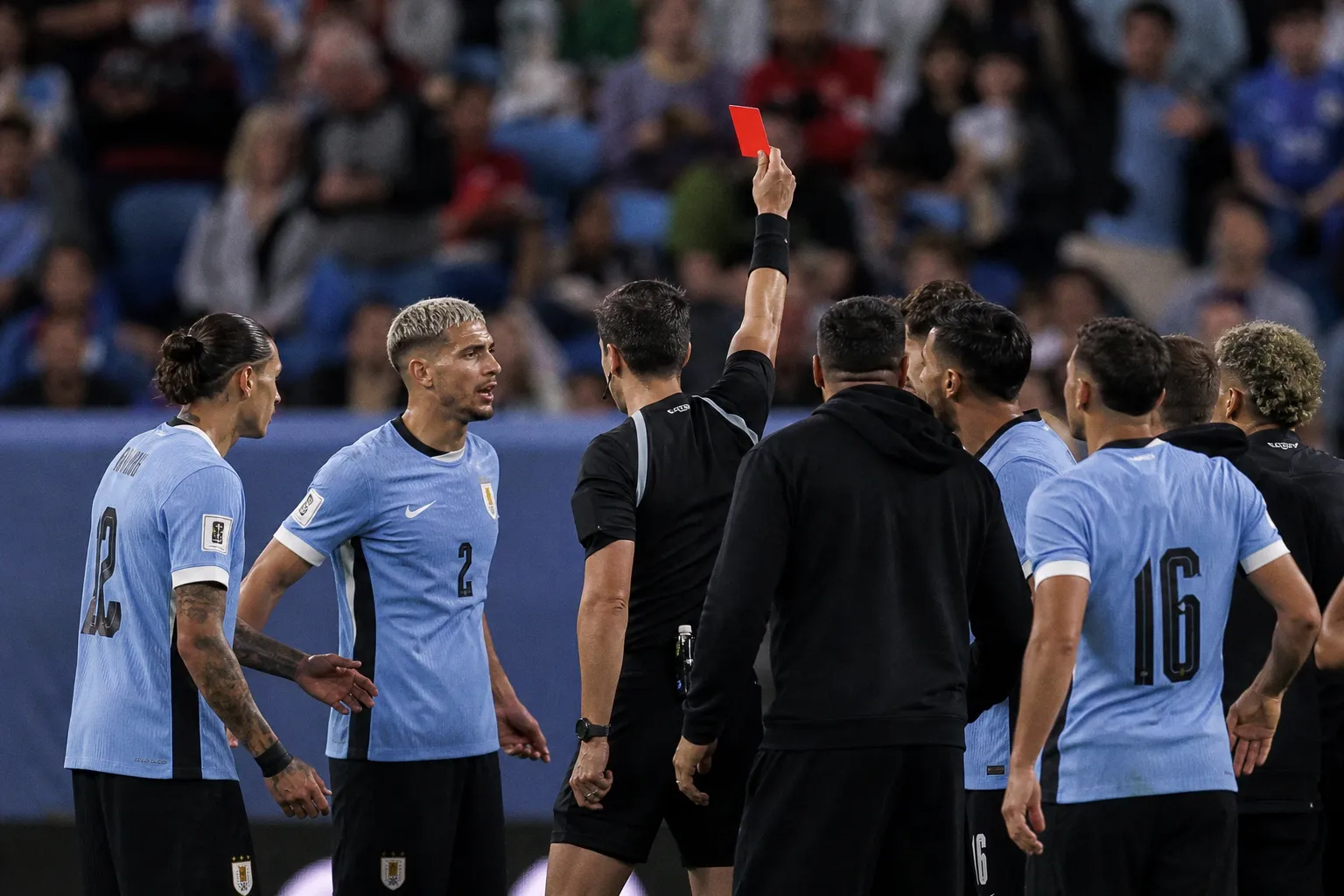 Ten of the biggest FIFA World Cup 2026 controversies analyzed and graded
 The Tactical Blueprint Behind Spain’s Impenetrable 2026 World Cup Defence
 England vs Norway will be hot and humid so what strategies can players use to keep cool? - The Athletic