Ten of the biggest FIFA World Cup 2026 controversies analyzed and graded
The useful data point is not the number of controversies; it is the pattern behind them.
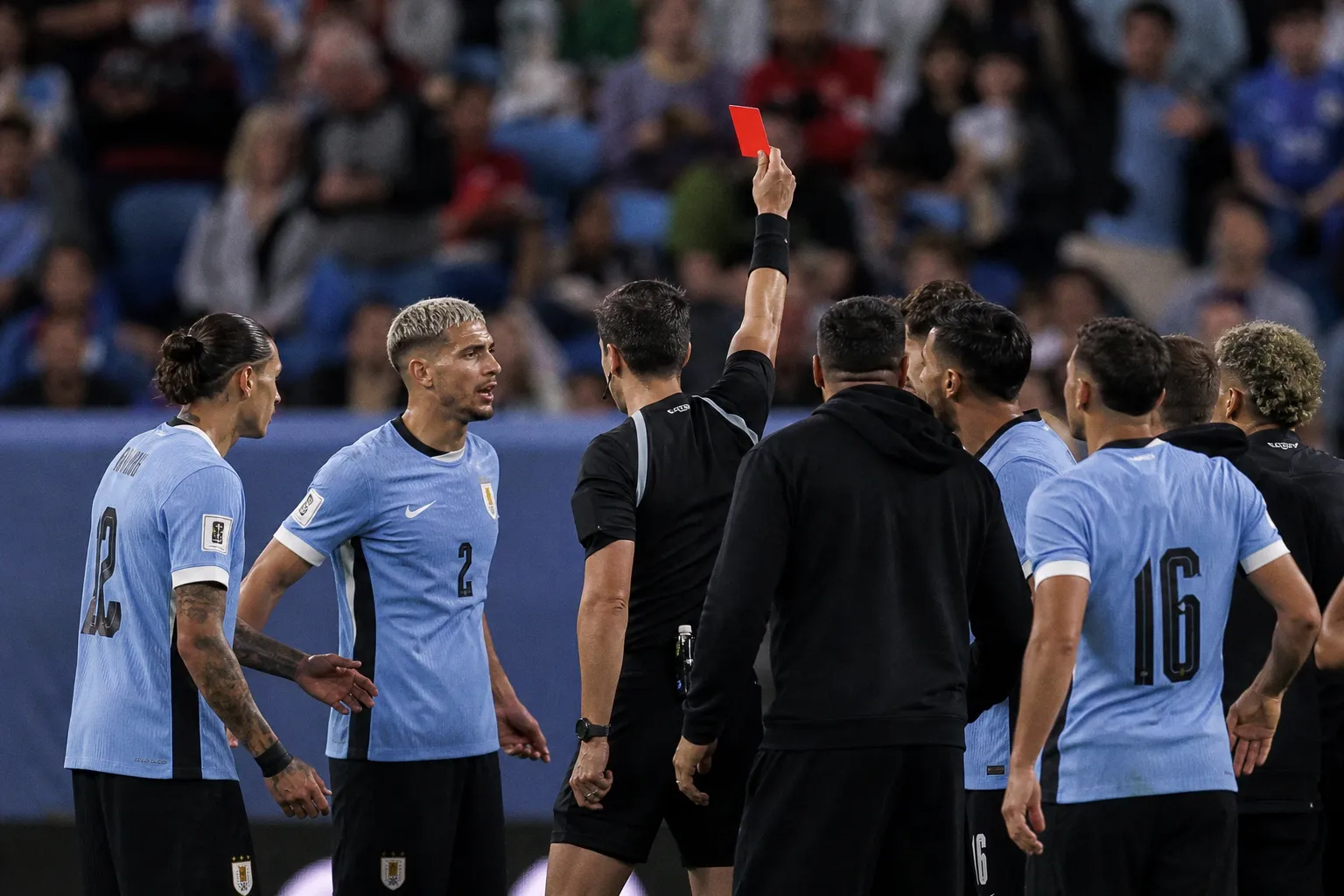
The Ronaldo suspension case is the cleanest test of process
The most concrete case in the report concerns Cristiano Ronaldo. He was sent off in Portugal’s penultimate World Cup qualifier against the Republic of Ireland after elbowing Dara O’Shea. According to the source material, FIFA’s disciplinary committee extended the initial one-match ban to three matches because of the severity of the offence.
That would normally have removed him from Portugal’s final qualifier and the first two matches of the World Cup. Instead, the additional punishment was suspended under a one-year probation period, provided he did not commit a similar infringement.
From a film-room perspective, the issue is not Ronaldo’s usage rate for Portugal or his value in the penalty area. The issue is consistency of enforcement. The report points to FIFA’s disciplinary code, including language that sets at least three matches for assault-type misconduct such as elbowing. It also notes that Article 27 allows FIFA to suspend punishments when it deems necessary, with wording broad enough to create discretion.
That discretion is where the tactical noise starts. If one player’s disciplinary history — Ronaldo had not previously been sent off in a 226-game international career, according to the report — becomes part of the calculation, teams are no longer reading only the rulebook. They are trying to read the room.
Transparency is the real competitive variable
The Athletic’s broader framing is that some complaints around the tournament have been unevidenced outbursts after defeats, while others come from more credible concerns about decision-making processes. That distinction is important. A losing team blaming referees is not new. What changes the match environment is when opaque governance gives oxygen to suspicion.
For a coaching staff, uncertainty around process affects preparation. You can train a mid-block, rehearse box entries, and manage travel load. You cannot train cleanly against a disciplinary framework that appears flexible at the exact moment when elite players and knockout-stage incentives collide.
That does not prove improper motivation. The source does not establish that. But it does show why perception matters. FIFA’s approach to transparency and governance, as described in the report, can leave even logic-first observers questioning how decisions were reached.
The surrounding optics added another layer. The report notes that, one week before the Ronaldo decision was announced, he attended a black-tie dinner at the White House in Washington, D.C., alongside Saudi Crown Prince Mohammed bin Salman, FIFA president Gianni Infantino, and business leaders. It also notes Ronaldo plays club football in Saudi Arabia with Al Nassr. Those facts do not decide the disciplinary question, but they increase the demand for a cleaner paper trail.
Practical read for athletes and staff: remove controllable risk
The verdict is straightforward: if FIFA leaves interpretive space, teams must reduce the number of plays that invite interpretation. That means coaching emotional control as a tournament skill, not a soft add-on. Elbows, retaliation, and off-ball contact carry tactical cost beyond the immediate foul. They can reshape squad availability, selection plans, and substitution trees.
For younger players and academy staff, this is the same lesson as in any high-performance pathway: process clarity matters. The best systems make standards legible before the pressure arrives, whether in elite football or in structured development routes such as creating pathways to science, technology, engineering and math careers.
The Athletic’s list reportedly covers ten high-profile World Cup controversies involving FIFA and its running of the sport. Based on the available detail, the Ronaldo case earns the highest analytical weight because it contains the clearest chain: offence, expected sanction, discretionary suspension, and governance questions. The ceiling for FIFA’s credibility in the rest of the tournament will be set by whether future decisions are explained with the same precision teams are expected to bring to the pitch.
More from the feed
 The Tactical Blueprint Behind Spain’s Impenetrable 2026 World Cup Defence
 Klopp and DFB close to Germany deal after World Cup
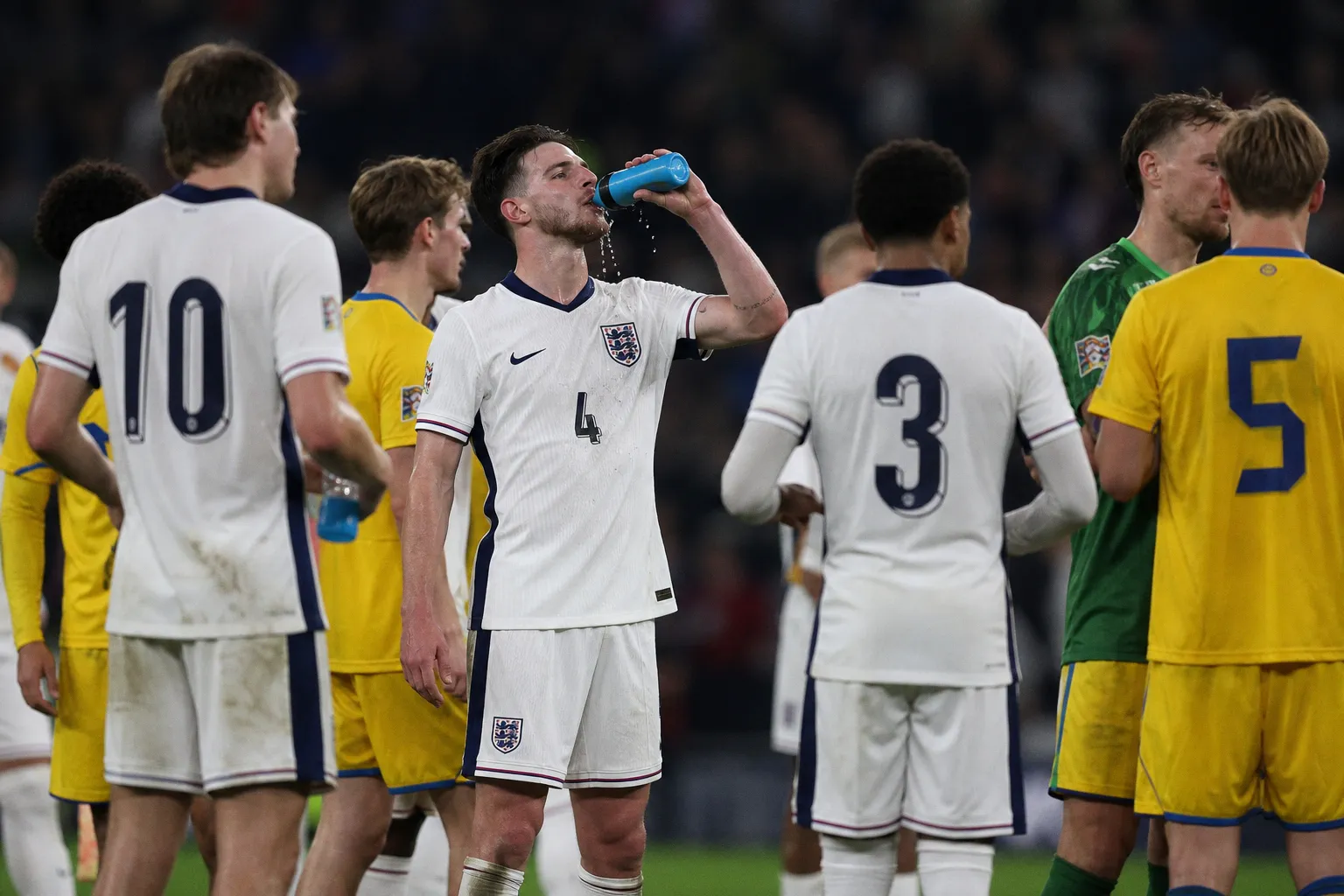 England vs Norway will be hot and humid so what strategies can players use to keep cool? - The Athletic
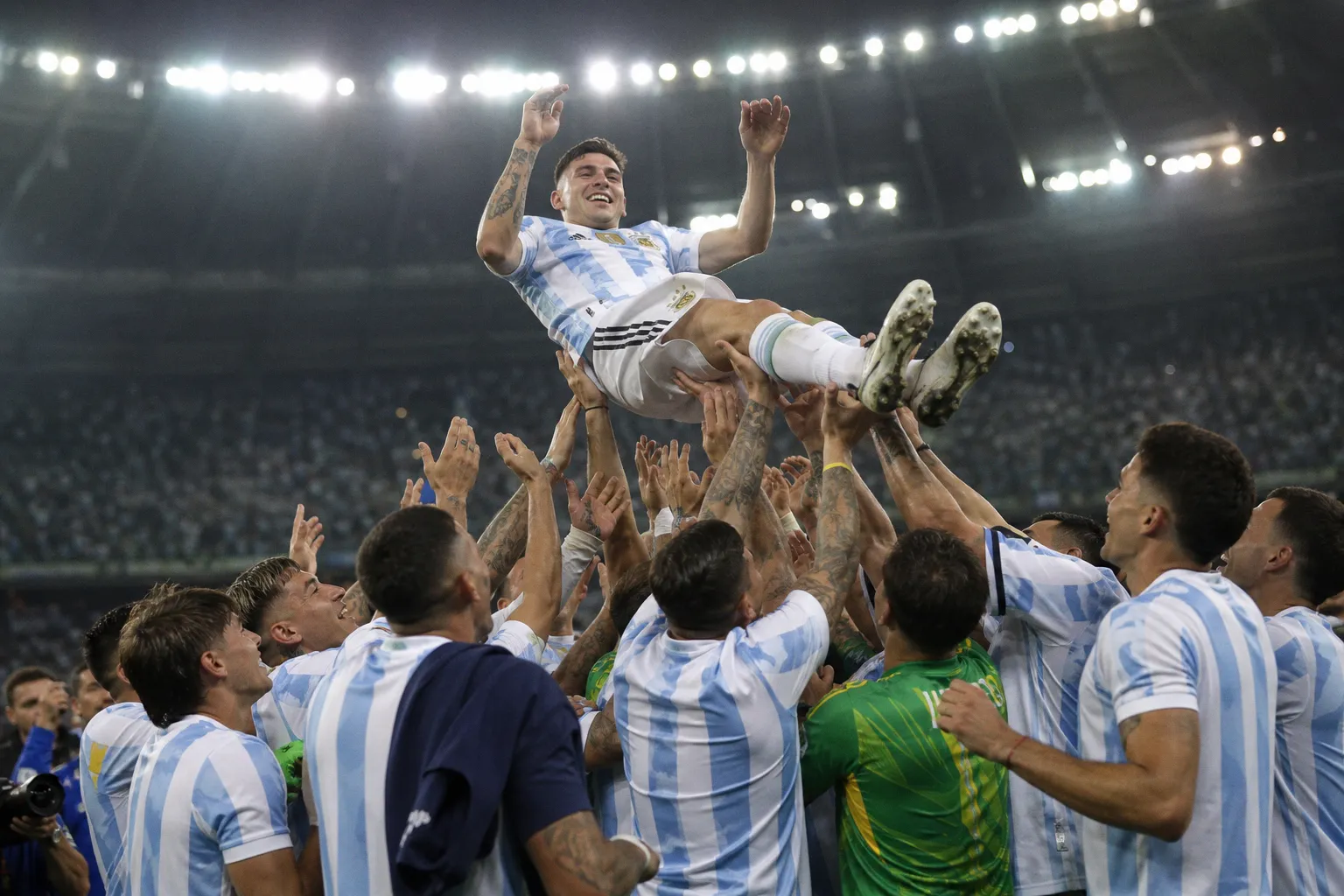 Argentina march on thanks to Messi-oriented tactics. But cracks are starting to show - The Athletic